How to Hide Your IP Address in 2026: Avoid Common Mistakes
If you’re searching for how to hide your IP address in 2026, the good news is that it’s more accessible than many people think. However, the bad news is that common mistakes can easily expose your real location, weaken your online privacy, and render your VPN or proxy server effectively useless. This guide focuses on practical methods, smart setup choices, and Key errors that often undermine your privacy efforts. You will learn how to hide your IP address using a VPN, proxy server, Tor Browser, mobile hotspot, and other privacy tools, while diligently avoiding the pitfalls that most users miss.
According to Cloudflare, every internet-connected device requires an IP address to communicate with websites and services. Achieving true privacy requires more than a single tool. it also involves adopting simple habits, such as regularly checking for leaks, enabling a kill switch, and consistently using trusted software from verified sources.
Latest Update (April 2026)
Recent reports highlight the ongoing importance of IP address masking for digital privacy and security. As highlighted by AIMultiple, methods for hiding your IP address continue to evolve, with a focus on usability across various operating systems like Windows 11 and newer mobile devices such as the iPhone 17 and Android variants in 2026. Gizmodo and CNET have also recently emphasized straightforward techniques for changing your IP address, underscoring that simple methods, including VPNs and other basic tools, remain highly effective for everyday users seeking to enhance their online anonymity. The trend indicates a growing user base looking for both free and paid solutions, as noted by Cloudwards, underscoring the need for clear guidance on avoiding common privacy oversights.
Table of Contents
-
Why People Hide Their IP Address
-
How a VPN Hides Your IP
-
Other Ways to Mask Your IP
-
Common Mistakes That Expose Your IP
-
Practical Setup Steps
-
Privacy Habits Beyond IP Hiding
-
Frequently Asked Questions
Why People Hide Their IP Address
Your IP address is basically a digital identifier that pinpoints the origin of your internet connection. It can reveal your approximate geographical location, your Internet Service Provider (ISP), and sometimes even a general idea of your region. For a vast number of users, this level of traceability is a significant concern, prompting them to seek ways to hide it.
Advertisers commonly use IP data for highly targeted ad campaigns, while streaming platforms employ it for geo-blocking content, restricting access based on your location. Some websites use IP information for content restrictions, fraud detection mechanisms, or to implement regional pricing models. And — if you frequently use public Wi-Fi networks found in airports, cafes, hotels, or coworking spaces, your connection can be more susceptible to monitoring than you might realize. Hiding your IP address can actively help reduce online tracking, enhance your overall online anonymity, and provide an essential layer of protection when browsing on untrusted or public networks. While it’s not an infallible shield, it works as a smart and fundamental first step towards establishing a more solid privacy setup.
People also actively search for IP masking solutions to safeguard remote work sessions, circumvent ISP tracking, gain access to content locked by geographic restrictions, or simply to maintain a clear separation between their personal browsing habits and their work-related device usage. In essence, there are numerous valid and increasingly common reasons to mask an IP address in 2026. As AIMultiple recently reported, the need for effective IP masking solutions is growing across various devices, including the latest iPhone 17 and Android models, highlighting its relevance for modern mobile users.
How a VPN Hides Your IP
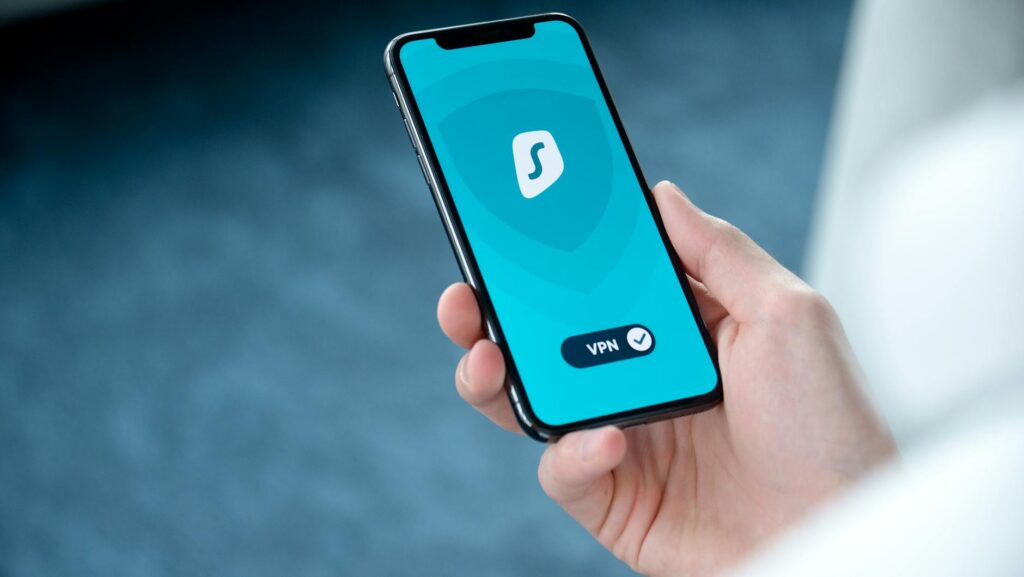
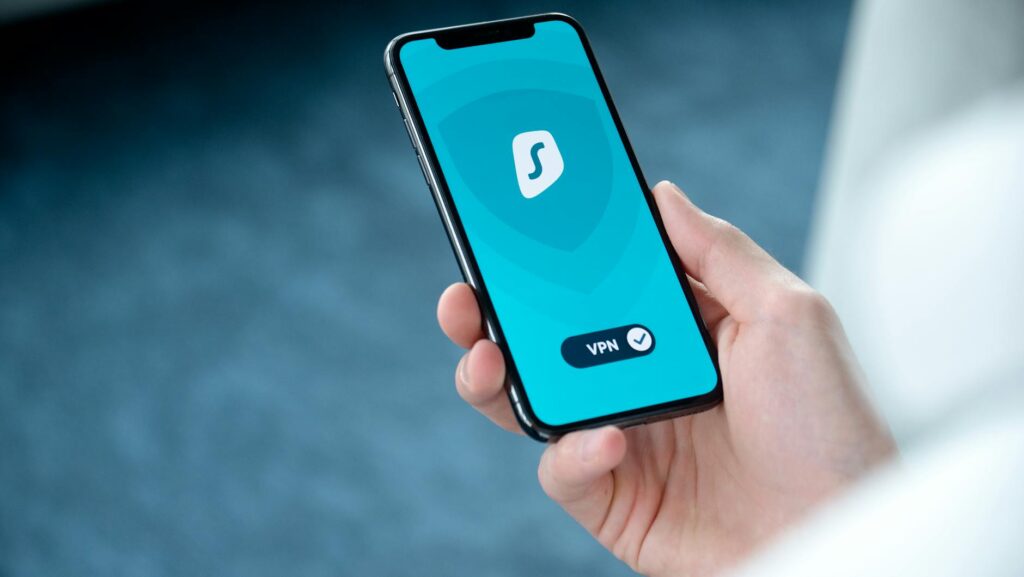
A Virtual Private Network (VPN) remains the most widely adopted and effective method for concealing your IP address. When you establish a connection with a VPN server, your internet traffic is rerouted through that server. So, the websites and online services you visit will see the IP address of the VPN server, rather than your actual, unique IP address assigned by your ISP.
This redirection makes a VPN invaluable for enhancing privacy, boosting security, and facilitating easier access to websites and services that might be otherwise blocked due to regional restrictions. A reputable VPN also encrypts your entire internet connection. This encryption is vital for protecting your sensitive data, especially when using public Wi-Fi networks, and reduces the likelihood of your data being intercepted by malicious actors.
When selecting a VPN service in 2026, experts recommend focusing on several key features, as reported by independent reviewers:
- Strong Encryption Standards: Look for AES-256 encryption or similar solid protocols.
- Strict No-Logs Policy: Ensure the provider explicitly states they don’t log your online activity.
- DNS Leak Protection: This prevents your DNS requests from revealing your real IP.
- Kill Switch Functionality: This automatically disconnects your internet if the VPN connection drops, preventing accidental IP exposure.
- Fast Servers in Multiple Countries: Offers better performance and more location options.
- Cross-Platform Application Support: Reliable apps for desktop (Windows, macOS, Linux) and mobile devices (iOS, Android).
Some users unfortunately make the mistake of opting for the cheapest VPN plan without thoroughly examining its privacy policy or independent audits. You can have serious repercussions. If a VPN provider keeps activity logs, offers inadequate leak protection, or uses overloaded servers, both your privacy and connection speed can suffer significantly. As CNET recently advised, provider’s commitment to user privacy is really important.
An increasing number of users are seeking free VPN options, as noted by Cloudwards. While free VPNs can offer a basic level of IP masking, they often come with significant limitations, including data caps, slower speeds, fewer server locations, and potentially weaker security protocols. Some free services may even monetize user data, defeating the purpose of enhanced privacy. Therefore, for consistent and reliable IP hiding, a reputable paid VPN service is generally recommended.
Other Ways to Mask Your IP
While VPNs are a popular choice, several other methods can help mask your IP address, each with its own advantages and disadvantages.
Proxy Servers
Proxy servers act as intermediaries between your device and the internet. When you use a proxy, your request goes to the proxy server first — which then forwards it to the destination website using its own IP address. This masks your original IP from the website. Proxies can be useful for bypassing geo-restrictions or for basic anonymity. However, they typically don’t offer the same level of encryption as VPNs, leaving your data more vulnerable, especially on public Wi-Fi. You’ll find different types of proxies, including HTTP, HTTPS, and SOCKS proxies, each offering varying levels of functionality and security.
Tor Browser
The Tor (The Onion Router) Browser is a free, open-source software that enables anonymous communication. It works by routing your internet traffic through a volunteer overlay network consisting of thousands of relays. Each relay encrypts your traffic and passes it to the next relay in a random sequence, making it extremely difficult to trace your activity back to its origin. Tor Browser is highly effective for anonymity, but it often comes with slower browsing speeds due to the multiple hops your data takes. it’s best suited for users who prioritize maximum anonymity over speed.
Mobile Hotspots and Public Wi-Fi
Using a mobile hotspot from your smartphone can temporarily mask your IP address from the perspective of the network you’re connecting to (e.g., a coffee shop’s Wi-Fi). The IP address seen by websites will be the one assigned by your mobile carrier. However, this doesn’t hide your IP from your mobile carrier itself, and it doesn’t encrypt your traffic. Public Wi-Fi networks are notoriously insecure and can be easily monitored. Connecting to public Wi-Fi without a VPN is generally not recommended for privacy-conscious users.
DNS Servers
While not directly hiding your IP address, using custom DNS servers, such as those offered by Cloudflare (1.1.1.1) or Google (8.8.8.8), can enhance privacy by preventing your ISP from seeing your DNS queries. Your ISP typically handles your DNS requests by default — which can reveal which websites you’re visiting. Changing to a third-party DNS server can obscure this specific activity, but it doesn’t mask your IP address from the websites you visit.
Common Mistakes That Expose Your IP
Even when using tools designed to hide your IP, several common mistakes can inadvertently reveal your online identity and location.
1. Not Checking for Leaks (DNS, WebRTC, IP)
Here’s perhaps the most common and critical error. A VPN or proxy might hide your IP, but if your Domain Name System (DNS) requests, Web Real-Time Communication (WebRTC) capabilities, or even your actual IP address leak through, your privacy is compromised. DNS leaks occur when your device sends DNS queries outside the secure VPN tunnel. WebRTC, a technology used for real-time communication in browsers, can also reveal your local and public IP addresses. Regularly using online leak testing tools is essential. As reported by Gizmodo, understanding and mitigating these potential leaks is a key step in effective IP masking.
2. Using the Same Tool for All Activities
Not all tools are created equal for every situation. For instance, using a free proxy for sensitive online banking is ill-advised due to potential security risks and lack of encryption. Similarly, relying solely on Tor Browser for everyday browsing might be unnecessarily slow. Tailoring your approach based on the sensitivity of the activity and the tool’s capabilities is vital.
3. Inconsistent Use of Privacy Tools
Turning your VPN on and off sporadically or forgetting to activate it before browsing on public Wi-Fi undermines your privacy efforts. Consistency is key. For example, as AIMultiple noted, ensuring your connection is secure on devices like the iPhone 17 before accessing sensitive information is really important.
4. Ignoring Browser Fingerprinting and Cookies
Even with a hidden IP, websites can still track you using browser fingerprinting techniques (collecting unique browser and device configurations) and cookies. These methods can build a profile of your online behavior, even if your IP address changes. Using privacy-focused browsers, clearing cookies regularly, and employing browser extensions that block trackers are necessary complements to IP hiding.
5. Logging into Personal Accounts
Logging into services like Google, Facebook, or your email while using a VPN or proxy can directly link your browsing activity to your real identity. These services know who you’re regardless of your IP address. If you aim for maximum anonymity, consider using separate accounts or browsing without logging in when using privacy tools.
6. Over-reliance on Free Services
As mentioned earlier, free VPNs and proxies often come with security and privacy compromises. Cloudwards reports that while free options exist, they may not offer the same level of protection as paid services, potentially exposing users to risks they’re trying to avoid.
Practical Setup Steps
Implementing IP hiding effectively involves more than just installing software. Here are practical steps to ensure your setup is sound:
Choosing a Reputable VPN
Research VPN providers thoroughly. Look for those with a clear no-logs policy, strong encryption, a good track record, and positive independent reviews. Consider services that offer a free trial or a money-back guarantee so you can test their features and performance before committing.
Enabling the Kill Switch
Most reputable VPN services offer a kill switch feature. Here’s a non-negotiable setting for anyone serious about privacy. Ensure it’s enabled in your VPN client’s settings. This feature acts as a safeguard against accidental IP exposure if your VPN connection unexpectedly drops.
Configuring DNS Leak Protection
Verify that your VPN service provides DNS leak protection and that it’s enabled. Some VPNs automatically route DNS requests through their own secure servers, while others might require manual configuration. Use online tools to test for DNS leaks after connecting to the VPN.
Using Privacy-Focused Browsers and Settings
Consider using browsers like Brave, Firefox with enhanced privacy settings, or the Tor Browser for more sensitive activities. Regularly clear your browser’s cache and cookies, and consider using extensions that block trackers and ads.
Testing Your Setup Regularly
Don’t set it and forget it. Periodically use online tools (like ipleak.net, dnsleaktest.com) to check for IP, DNS, and WebRTC leaks. This proactive approach ensures your privacy measures remain effective over time.
Privacy Habits Beyond IP Hiding
True online privacy extends beyond simply masking your IP address. Adopting good digital hygiene is essential.
Secure Your Devices
Use strong, unique passwords for all your accounts and enable two-factor authentication (2FA) wherever possible. Keep your operating systems and applications updated to patch security vulnerabilities. As AIMultiple notes, security on devices like the iPhone 17 and Android smartphones is really important, and updates play a key role.
Be Wary of Public Wi-Fi
Always use a VPN when connecting to public Wi-Fi. Avoid conducting sensitive transactions (like online banking or shopping) on unsecured networks.
Understand Online Tracking
Educate yourself about cookies, trackers, and browser fingerprinting. Use tools and settings that help mitigate these tracking methods. Remember that even with a hidden IP, logged-in accounts can still identify you.
Limit Data Sharing
Be mindful of the information you share online, especially on social media and through app permissions. Review app permissions regularly and disable unnecessary ones.
Frequently Asked Questions
Is it legal to hide my IP address?
Yes, in most countries, it’s perfectly legal to hide your IP address using tools like VPNs or proxy servers. The legality often depends on what you’re doing online. While masking your IP for privacy or to access geo-restricted content is generally permissible, using it for illegal activities remains illegal, regardless of whether your IP is hidden.
Can a VPN hide my IP address from my ISP?
Yes, a reputable VPN will encrypt your traffic and route it through its servers, meaning your ISP will only see that you’re connected to a VPN server, not the specific websites or services you’re accessing. However, the ISP can still see that you’re using a VPN and the amount of data you’re transferring.
Will hiding my IP address make me completely anonymous online?
No, hiding your IP address is a significant step towards anonymity but doesn’t guarantee complete online anonymity. As mentioned, factors like browser cookies, account logins, device fingerprinting, and potential leaks can still reveal your identity. For true anonymity, a combination of tools and strict privacy practices is required.
what’s the difference between a VPN and a proxy server?
A VPN encrypts your entire internet connection and hides your IP address. It’s a more complete privacy and security solution. A proxy server typically only works at the application level (e.g., for your web browser) and may not offer encryption. VPNs are generally considered more secure and reliable for privacy than proxy servers.
How can I hide my IP address for free?
You can hide your IP address for free using the Tor Browser or certain free proxy services. Some VPN providers also offer limited free plans, though they often come with restrictions on data, speed, and server availability. As Cloudwards has noted, while free options exist, users should be cautious about potential privacy compromises associated with them.
Conclusion
Hiding your IP address in 2026 is an achievable goal that enhances your online privacy and security. By methods like VPNs, proxy servers, and the Tor Browser, and by diligently avoiding common pitfalls such as leaks, inconsistent usage, and ignoring other tracking vectors, you can build a more private online presence. Remember that IP masking is just one piece of the puzzle. adopting complete privacy habits and staying informed about evolving threats are key to maintaining your digital anonymity in an increasingly connected world.