Just yesterday, news headlines reported yet another massive data breach, this time affecting a popular online retailer. Thousands, perhaps millions, of customer records were compromised. The relentless nature of these breaches can make it feel like our digital footprints are constantly being tracked and exploited. However, you aren’t powerless. Protecting your personal data isn’t an arcane technical skill. it’s about cultivating smart, consistent habits and understanding your available options. This guide aims to equip you with knowledge, not to instill fear, enabling you to make informed decisions about your digital life. As the Federal Trade Commission (FTC) emphasizes, understanding these risks is the first step toward safeguarding your information (Source: consumer.ftc.gov).
Latest Update (April 2026):
The digital privacy landscape continues to evolve rapidly. Recent developments highlight the growing importance of user control and the increasing sophistication of both privacy tools and tracking methods. As ESET reported in December 2025, security and privacy implications of AI tools like ChatGPT is now a critical concern for everyday users. And — the lines between personal and professional data are blurring, especially with the rise of AI in sensitive fields. CyberScoop recently noted on February 11, 2026 — that AI-powered healthcare tools may not adhere to the same stringent privacy regulations as traditional medical providers, underscoring the need for vigilance. In parallel, efforts are underway to simplify privacy protection. The Washington Post highlighted on October 10, 2025, the emergence of ‘one-click’ privacy solutions, suggesting a future where solid data protection could become more accessible to the average user. Tech Times also reinforced the ongoing need for vigilance in online privacy, publishing a full guide on March 17, 2026, for protecting personal data from constant online tracking.
Why Your Personal Data is a Goldmine
Before delving into protective measures, it’s essential to understand why your personal data is so valuable. Your information—encompassing your name, address, financial details, browsing history, location data, and even your declared interests or political leanings—is a highly sought-after commodity. Advertisers leverage this data for targeted marketing campaigns, data brokers aggregate and sell it to third parties, and malicious actors seek it for identity theft, financial fraud, or blackmail. The more complete the profile they can build, the greater the potential for exploitation. A significant digital economy thrives on information, with your personal data serving as a primary currency.
What Can You Do to Protect Personal Data Online?
Implementing effective data protection requires a multi-layered strategy, as no single tool or technique provides absolute security. Let’s explore the most effective methods, examining their practical benefits and drawbacks.
Virtual Private Networks (VPNs): Enhancing Your Digital Privacy
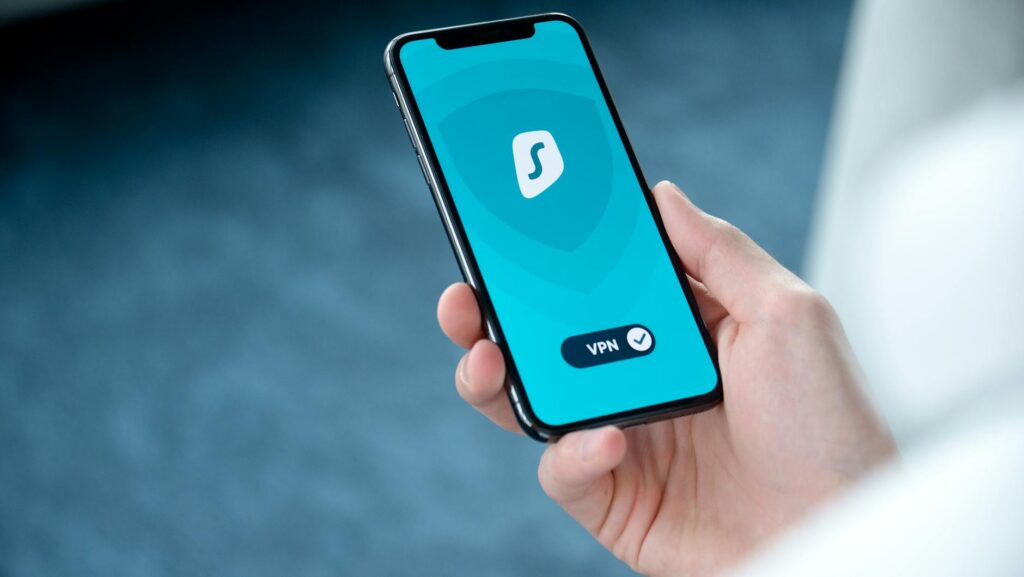
A Virtual Private Network (VPN) encrypts your internet traffic and routes it through a server located in a geographical region of your choice. This process masks your actual IP address, making it considerably more difficult for your Internet Service Provider (ISP), network administrators, or other entities on public Wi-Fi to monitor your online activities. It acts as a digital curtain, obscuring your browsing habits.
- Pros:
- enhances privacy when using public Wi-Fi networks.
- Masks your IP address, making your physical location more difficult to pinpoint.
- Encrypts your internet traffic, offering protection against monitoring by ISPs.
- Can potentially bypass geo-restrictions on content, although this isn’t its primary privacy function.
- Cons:
- Free VPN services are often unreliable and may compromise your privacy by selling your data.
- Can lead to a noticeable decrease in internet connection speed.
- Requires a degree of trust in the VPN provider itself to handle your data responsibly.
- Not completely effective against highly sophisticated tracking techniques like browser fingerprinting.
When selecting a VPN provider, prioritize those with a verifiable strict no-logs policy, solid encryption standards (such as AES-256), and a strong reputation within the privacy community. Reputable providers often mentioned include ExpressVPN and NordLayer (primarily for business use, but indicative of their technological capabilities). For users seeking more budget-friendly options, services like Private Internet Access (PIA) have garnered positive reviews, though independent, up-to-date assessments are always recommended.
Password Managers: Securing Your Digital Keys
Consider the number of online accounts you manage. Most individuals reuse passwords across numerous platforms, a practice that represents a significant security vulnerability. If one service experiences a data breach, all accounts using that compromised password become susceptible to unauthorized access. Password managers generate and securely store unique, complex passwords for each of your online accounts. The only password you need to remember is a single, strong master password.
- Pros:
- Generates and stores strong, unique passwords for all your online services.
- simplifys the login process, saving time and reducing frustration.
- Often include features for securely storing notes and auto-filling forms.
- Many offer synchronization capabilities across multiple devices.
- Cons:
- Memorizing your master password is critical. losing it can result in permanent loss of access to your stored credentials.
- The password manager itself becomes a high-value target. a breach of the manager would be catastrophic.
- Free versions of password managers may have limitations in features or security.
Popular and highly-regarded password managers include 1Password, Bitwarden, and LastPass. Bitwarden is frequently lauded for its open-source nature, transparency, and strong security protocols, making it an excellent choice for privacy-conscious users. According to recent reviews, these tools reduce the risk associated with password reuse.
Two-Factor Authentication (2FA): Adding an Extra Layer of Security
Implementing Two-Factor Authentication (2FA) is a critical step for securing your online accounts. 2FA requires a second form of verification beyond your password, typically a time-sensitive code generated by an authenticator app (like Google Authenticator or Authy) or sent via SMS to your registered phone number. This mitigates the risk of unauthorized access, even if your password has been compromised.
- Pros:
- Dramatically improves the security of your online accounts.
- Widely available and relatively easy to enable across most major online services.
- Provides solid protection against the consequences of password theft.
- Cons:
- May introduce a minor inconvenience during the login process.
- SMS-based 2FA is susceptible to SIM-swapping attacks.
- Losing access to your second authentication factor (e.g., your phone) can lead to account lockout without proper recovery procedures.
Browser Settings & Extensions: Taming Online Trackers
Your web browser is a primary gateway for data collection. Websites frequently employ cookies, tracking scripts, and other technologies to monitor your online behavior. By configuring your browser settings and utilizing privacy-enhancing extensions, you can limit this data harvesting.
Recommended Actions:
- Adjust Privacy Settings: Most modern browsers, including Chrome, Firefox, Safari, and Edge, offer settings to block third-party cookies, restrict cross-site tracking, and send ‘don’t Track’ requests (though compliance varies among websites).
- Use Privacy-Focused Browsers: Browsers like Brave or Firefox, when configured with enhanced tracking protection, provide a more private browsing experience by default.
- Install Privacy Extensions:
- Ad Blockers/Tracker Blockers: uBlock Origin is a widely recommended, free, and highly effective extension for blocking advertisements and tracking scripts.
- HTTPS Everywhere: This extension ensures that your connection to websites is encrypted using HTTPS whenever available, protecting data in transit.
- Privacy Badger: Developed by the Electronic Frontier Foundation (EFF), Privacy Badger learns to block invisible trackers automatically as you browse the web.
As Tech Times reported on March 17, 2026, actively managing browser settings and employing these extensions are fundamental steps for individuals seeking to protect their personal data from persistent online tracking.
Temporary Email Services: Managing Unwanted Subscriptions
For sign-ups to services where you anticipate receiving a high volume of promotional emails or wish to maintain a degree of anonymity, temporary email services offer a valuable solution. These services provide disposable email addresses that expire after a set period or a certain number of uses. This prevents your primary inbox from being flooded with spam and reduces the amount of personal data linked to your main email account.
- Pros:
- Prevents spam and marketing emails from cluttering your primary inbox.
- Helps protect your main email address from being harvested by data brokers or malicious actors.
- Useful for accessing content that requires email sign-ups without commitment.
- Cons:
- Temporary emails may be blocked by some websites requiring registration.
- If you need to access account recovery information later, a temporary email won’t be viable.
- Some services may have limitations on features or storage.
PCMag recently reviewed Cloaked (March 30, 2026), noting its feature-rich capabilities for creating temporary email addresses and aliases, highlighting the growing utility of such services in managing online interactions.
Understanding and Managing App Permissions
Mobile applications, whether on iOS or Android, often request extensive permissions that go beyond what’s necessary for their core functionality. Access to your location, contacts, microphone, camera, and even your activity across other apps can be granted. Regularly reviewing and revoking unnecessary permissions is vital.
What to do:
- Regular Audits: Periodically go through the permission settings for all installed apps on your smartphone.
- Principle of Least Privilege: Grant only the permissions that are absolutely essential for the app to function as intended. For example, a photo editing app doesn’t need access to your contacts.
- Location Services: Set location access to ‘While Using the App’ or ‘Ask Next Time’ instead of ‘Always Allow’ whenever possible.
Data Minimization: Sharing Less, Protecting More
The principle of data minimization suggests that organizations should collect and retain only the personal data that’s strictly necessary for a specific, legitimate purpose. As an individual, you can apply this principle by being mindful of the information you share online. Before filling out forms, signing up for services, or posting on social media, ask yourself if the requested information is truly necessary and who might have access to it.
- Online Forms: Leave optional fields blank.
- Social Media: Review privacy settings regularly and limit the visibility of personal information in posts and your profile.
- Service Agreements: While often lengthy, privacy policies of services you use can inform you about their data practices.
Awareness of AI and Data Privacy
The rapid advancement of Artificial Intelligence (AI) presents new challenges and considerations for personal data protection. As mentioned by ESET in their 2026 guide, understanding how AI tools process data is really important. Services like ChatGPT learn from user interactions, and sensitive information shared could potentially be incorporated into training data. And — as CyberScoop highlighted on February 11, 2026, the application of AI in sectors like healthcare raises unique privacy concerns, as AI medical tools may operate under different privacy frameworks than human doctors.
To protect yourself:
- Be cautious about the type and amount of personal information you input into AI tools.
- Review the privacy policies of AI services to understand their data handling practices.
- Advocate for clear regulations and ethical guidelines governing AI and personal data.
Protecting Data Beyond Online Activity
While much of our data is generated online, physical security and awareness are also Key components of overall data protection.
Secure Your Devices
Your smartphones, laptops, and tablets are repositories of personal information. Ensure they’re protected with strong, unique passcodes or biometric locks (fingerprint, facial recognition). Enable full-disk encryption if available, and always install operating system and application updates promptly, as these often contain critical security patches.
Be Wary of Phishing and Social Engineering
Phishing attacks — which attempt to trick you into revealing sensitive information through deceptive emails, messages, or websites, remain a significant threat. Always scrutinize communications asking for personal details, login credentials, or financial information. Verify the sender’s identity through a separate, trusted channel if you’re unsure. Social engineering tactics exploit human psychology to gain access to information or systems.
Shred Sensitive Documents
Don’t forget physical documents. Mail containing personal information, old bank statements, bills, and expired identification cards should be securely shredded before disposal to prevent identity theft from discarded paperwork.
Frequently Asked Questions
what’s the most effective way to protect my passwords?
The most effective strategy involves using a reputable password manager to generate and store unique, complex passwords for every online account. Supplement this with strong, unique master passwords and enable Two-Factor Authentication (2FA) wherever available, preferably using an authenticator app.
Are free VPNs safe to use?
Generally, free VPNs aren’t recommended for serious privacy protection. Many free services fund their operations by collecting and selling user data, displaying targeted ads, or having weaker security protocols. it’s advisable to use reputable paid VPN services with a proven no-logs policy.
How can I tell if a website is secure?
Look for ‘https://’ at the beginning of the web address — which indicates an encrypted connection. A padlock icon usually appears in the browser’s address bar. While HTTPS is essential, it doesn’t guarantee the website itself is trustworthy. it only means the connection is encrypted. Always verify the legitimacy of the website, especially before entering sensitive information.
What are the risks of using public Wi-Fi?
Public Wi-Fi networks are often unsecured, making it easy for attackers on the same network to intercept your internet traffic, potentially capturing login credentials, financial details, and other sensitive data. Using a VPN is highly recommended when connecting to public Wi-Fi.
Is it safe to use my primary email for online sign-ups?
it’s often safer to use a secondary or temporary email address for signing up for services that you expect will generate a lot of marketing emails or for less critical registrations. This helps protect your primary inbox from spam and reduces the digital footprint associated with your main email account.
Conclusion
Protecting your personal data in 2026 requires a proactive and multi-faceted approach. By implementing strong password management, enabling two-factor authentication, utilizing VPNs and privacy-focused browser settings, being mindful of app permissions, and practicing data minimization, you can enhance your digital security. Staying informed about emerging threats and technologies, such as the implications of AI on privacy, is also Key. While the digital world presents ongoing challenges, adopting these real strategies empowers you to take meaningful control over your personal information and maintain a more secure online presence.