Micromobility News: Regulation Clashes with Innovation
The micromobility revolution, often hailed as a transformative force in urban transport, is currently navigating a critical and complex phase. It has evolved beyond the initial novelty of electric scooters and bikes. the focus has sharply shifted to how these devices integrate into the urban fabric, their safety record, and the governance structures overseeing their operation. Current micromobility news highlights a dynamic environment where rapid innovation is confronting the pressing need for structured regulation and enhanced public safety. Legislators, such as Illinois Senator Ram Villivalam, are actively pursuing measures to strike a Key balance between these competing demands, aiming to introduce much-needed order to a sector that has frequently been characterized as the ‘Wild West.’ This regulatory challenge isn’t isolated. cities like Denver are also implementing significant changes in how they manage shared electric scooter and bike fleets, with new contracts being awarded and revised operational rules coming into effect. The situation reflects a global trend towards greater oversight.
Latest Update (April 2026): As of April 24, 2026, the ongoing dialogue between micromobility providers and city governments continues to shape the future of urban transportation. Recent reports indicate a growing emphasis on data sharing between operators and municipalities to better understand usage patterns and their impact on city infrastructure and traffic flow. And — the development of standardized safety protocols and interoperability standards for different micromobility devices is gaining traction, driven by both industry consortia and regulatory bodies seeking to create a more cohesive and secure environment for users and non-users alike.
The fundamental challenge at the heart of this issue is clear: micromobility possesses immense potential to alleviate traffic congestion, reduce urban carbon emissions, and offer convenient last-mile transportation solutions. However, without well-defined regulatory frameworks, its proliferation can result in cluttered sidewalks, increased risks of injury for both riders and pedestrians, and an overall sense of urban disorder. Policymakers are now actively working to address these concerns. The recent micromobility news from Denver — where Veo has reportedly secured a significant contract, signals a strategic shift in how cities are approaching the awarding of operational permits. This development highlights a growing expectation that cities are seeking more than just a fleet of devices. they’re looking for reliable partners capable of managing operations with a high degree of responsibility and efficiency.
Why Are Cities Suddenly Focusing on Micromobility Regulation?
The recent surge in regulatory activity isn’t a spontaneous occurrence but a direct and logical response to the rapid, and at times unregulated, expansion of e-scooters and e-bikes in urban areas over the past several years. Municipalities are increasingly recognizing that a laissez-faire approach to these services generates more problems than it solves. According to recent analyses from publications like Axios, jurisdictions such as Massachusetts are actively engaged in efforts to regulate what has been widely described as the ‘Wild West’ of personal electric mobility. This widespread recognition highlights the unsustainable nature of a hands-off policy.
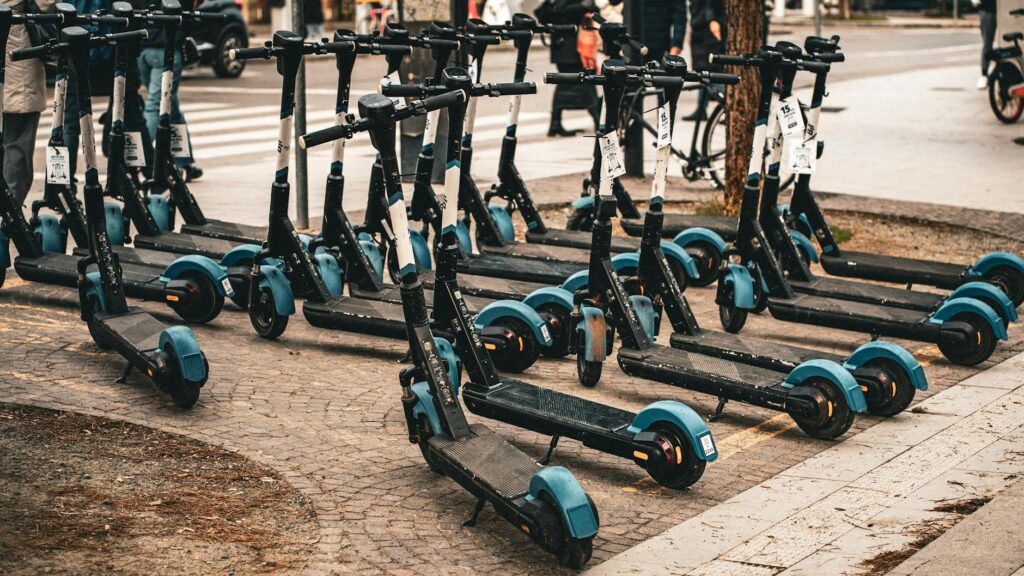
The primary catalysts for this intensified regulatory focus are enhanced public safety and more effective management of public spaces. The haphazard abandonment of scooters and bikes on sidewalks creates significant tripping hazards, especially for vulnerable populations such as the elderly and individuals with disabilities. Rider safety remains a really important concern, with numerous reports of accidents and injuries frequently attributed to insufficient rider education, excessive speeds, and the operation of these vehicles on inappropriate or unsafe infrastructure. As highlighted by the Illinois Senate Democratic Caucus, Senator Villivalam’s proposed legislation In particular aims to ‘make safety meet innovation.’ This encapsulates the central dilemma: how to harness the substantial benefits of micromobility without compromising the safety, accessibility, and overall quality of public spaces for all urban dwellers.
The operational challenges extend beyond mere device deployment. Cities are increasingly demanding accountability for device maintenance, battery charging logistics, and equitable distribution across neighborhoods, aiming to prevent ‘scooter deserts’ or areas overwhelmed by parked devices. This requires sophisticated fleet management software, efficient charging infrastructure, and responsive operational teams.
What Do the New Regulations Actually Mean for Riders and Operators?
While the precise details of new regulations vary by municipality, several consistent themes are emerging in the latest micromobility news. For riders, these changes typically involve more stringent enforcement of existing rules, such as speed limits and designated parking zones. Some jurisdictions are also considering or implementing mandatory helmet use, rider education modules, or even age restrictions for operating certain types of micromobility devices. Recent reports from Denverite suggest that proposed changes in Denver are likely to alter the rider experience, potentially dictating where devices can be picked up and dropped off, and influencing how they’re operated on city streets.
For micromobility operators, including established companies like Bird, Spin, Lime, and Veo, the implications are far-reaching and substantial. Cities are adopting a more discerning approach to granting operating permits, often prioritizing companies that can manage their fleets effectively, exhibit a strong commitment to safety protocols, and maintain a collaborative relationship with city officials. The news from Honda Newsroom regarding Fastport’s customer relationships with Bird and Spin, alongside Automotive World’s reporting on Honda’s Fastport eQuad launch with these providers, highlights a growing trend of industry consolidation and the formation of strategic partnerships. These developments indicate a move beyond simply placing more devices on the street. they signify the implementation of sophisticated operational frameworks. Companies are increasingly being evaluated not just on fleet size, but on their capacity to ensure devices are consistently charged, well-maintained, and strategically deployed, rather than indiscriminately scattered throughout the urban environment.
Potential Benefits of New Regulations:
- Improved rider and pedestrian safety through clearer rules, enhanced enforcement, and mandated safety features.
- Reduced sidewalk clutter and improved accessibility for all pedestrians, including those with disabilities.
- More predictable and reliable service availability and user experience.
- Better integration of micromobility services into complete urban transportation planning and infrastructure development.
- Opportunities for innovative operational models, data-driven city planning, and public-private partnerships.
- Standardization of device types and safety features across different operators.
Potential Drawbacks of New Regulations:
- Increased operational costs for providers — which could be passed on to consumers through higher prices.
- Reduced availability or accessibility of micromobility services in certain underserved or lower-density areas due to stricter operating requirements.
- Potential for overly bureaucratic processes that slow down the deployment of new services and technological advancements.
- The risk of stifling the very innovation and flexibility that make micromobility a valuable urban transport solution.
- The possibility of creating a ‘two-tiered’ system where only larger, well-capitalized companies can afford to comply with complex regulations, potentially leading to market monopolies.
The Role of Major Manufacturers and Fleet Operators
While headlines often focus on municipal ordinances and public feedback, significant industry-level developments are also shaping the micromobility landscape. Honda’s strategic expansion into the operational side of micromobility, through its Fastport division, is a notable indicator of this trend. The company’s partnerships with established players like Bird and Spin suggest a deliberate move towards creating more integrated and complete urban mobility ecosystems. This initiative extends beyond mere vehicle manufacturing. it encompasses the provision of end-to-end solutions for fleet management, customer engagement, and operational logistics. Such collaborations imply a recognition that successful micromobility operations necessitate sophisticated software platforms, efficient supply chain management, solid maintenance networks, and responsive customer support, Besides reliable hardware.
Honda’s proactive involvement, exemplified by the development and deployment of the Fastport eQuad, as detailed in publications like Automotive World, reflects a broader industry shift. Major automotive manufacturers are increasingly viewing micromobility not as a niche market but as an integral component of future urban transportation networks. they’re investing in both hardware innovation and the operational expertise required to manage these services at scale. This strategic positioning allows them to leverage their manufacturing prowess, engineering expertise, and existing supply chains to gain a competitive advantage in the evolving mobility market.
As reported by CleanTechnica in an OP-ED concerning the Philippines, regulatory approaches can impact the successful integration of micromobility. The article highlights how misguided regulations, such as the Land Transportation Office’s (LTO) crackdown, can hinder progress and create unintended negative consequences, suggesting that a more nuanced and supportive regulatory environment is often necessary for micromobility to thrive and deliver its promised benefits. This perspective highlights the need for careful consideration and adaptation of regulatory frameworks to local contexts.
Plus, the broader transportation sector is also undergoing significant regulatory shifts that indirectly affect micromobility. For instance, the shipping industry is grappling with new emissions rules, as noted by The Energy Mix, ahead of key votes. While seemingly unrelated, these broader environmental and regulatory pressures on transportation systems create an environment where cleaner, more efficient mobility solutions like micromobility are likely to receive increased attention and potential support, provided they can be integrated safely and effectively.
The Future of Micromobility: Integration and Sustainability
Looking ahead, the trajectory of micromobility appears to be moving towards greater integration with existing public transit systems and a stronger emphasis on long-term sustainability. Cities are exploring models where shared bikes and scooters serve as feeders to bus and train lines, creating a more smooth multimodal transportation network. This requires careful planning regarding docking infrastructure, first-and-last-mile connectivity, and integrated payment systems. The goal is to make urban travel more efficient, affordable, and environmentally friendly.
Sustainability also extends to the operational aspects of micromobility. This includes the use of electric charging infrastructure powered by renewable energy, responsible battery management and recycling programs, and the development of durable, long-lasting vehicle designs. Operators are increasingly being held accountable for their environmental footprint, pushing for greener operational practices. The industry is also seeing innovation in vehicle design, with a focus on modularity, repairability, and enhanced safety features, aiming to reduce waste and extend the lifespan of devices.
Data analytics will play an increasingly vital role. By analyzing usage patterns, traffic impacts, and safety incidents, cities and operators can make more informed decisions about fleet deployment, infrastructure improvements, and regulatory adjustments. This data-driven approach promises to optimize the benefits of micromobility while mitigating its potential downsides, leading to more livable and efficient cities in 2026 and beyond.
Frequently Asked Questions
what’s micromobility?
Micromobility refers to lightweight, typically electric-powered vehicles designed for short-distance urban travel. This category includes e-scooters, e-bikes, electric skateboards, and shared mobility services that operate these vehicles.
Why is micromobility regulation important?
Regulation is Key to ensure public safety for both riders and pedestrians, manage the use of public spaces effectively (e.g., preventing sidewalk clutter), address environmental concerns, and integrate micromobility into the broader urban transportation network in a sustainable and equitable manner.
What are the main challenges in regulating micromobility?
The primary challenges include balancing innovation with safety, managing rapid growth and proliferation, ensuring equitable access across different neighborhoods, developing effective enforcement mechanisms, and adapting regulations to evolving technology and usage patterns.
How are cities adapting their approach to micromobility permits?
Cities are moving towards more selective permitting processes, often favoring operators who demonstrate strong operational capabilities, a commitment to safety, data sharing, responsible fleet management, and a willingness to collaborate on urban planning initiatives. Contracts are becoming more performance-based.
what’s the role of major manufacturers in the micromobility sector?
Major vehicle manufacturers are increasingly involved not just in producing micromobility devices but also in managing fleet operations, developing integrated mobility solutions, and investing in the technology and infrastructure that support sustainable micromobility services.
Conclusion
The interplay between innovation and regulation in the micromobility sector is a defining characteristic of urban transportation in 2026. While the path forward is complex, marked by ongoing debate and evolving policies, the trend is clear: cities are demanding more accountability, safety, and integration from micromobility providers. As major manufacturers enter the operational sphere and cities refine their regulatory approaches, the potential for micromobility to contribute positively to urban environments remains significant. Success will hinge on continued collaboration between policymakers, operators, and the public to build a sustainable, safe, and accessible future for short-distance urban travel.