
Contributing writer at Anonymous Browsing.
- Why is Online Privacy Important in the UK Now?
- Understanding Your UK Privacy Rights: What Does UK GDPR Mean for You?
- Practical Steps: How to Secure Your Data Online in the UK
- Choosing the Right Tools for UK Online Privacy
- Common Mistakes UK Users Make with Online Privacy
- Recent Developments in UK Online Privacy
- Advanced Tips for True Digital Anonymity
- Future-Proofing Your UK Online Privacy
- Frequently Asked Questions
- What is the most important privacy right under UK GDPR?
- Are free VPNs safe to use in the UK?
Ever felt like your digital life is an open book? You’re not alone. Many of us in the UK worry about who sees our data, what companies know about us, and how secure our online activities truly are. This comprehensive online privacy guide UK will equip you with the knowledge and practical steps to reclaim control. (Source: ico.org.uk)
An online privacy guide for UK residents is essential for understanding and implementing safeguards against digital surveillance and data exploitation, ensuring your personal information remains secure and your online activities private. It covers everything from browser settings to legal rights under UK GDPR, offering actionable steps for robust protection.
Why is Online Privacy Important in the UK Now?
In the UK, our digital lives are more intertwined with our physical existence than ever before. Every click, every purchase, every search query leaves a digital breadcrumb trail. Sophisticated data collection has become more advanced, extending beyond targeted ads to encompass identity protection, financial security, and personal peace of mind. Reports indicate a significant portion of UK internet users express concern about their online privacy, highlighting a clear need for practical guidance.
Understanding Your UK Privacy Rights: What Does UK GDPR Mean for You?
The UK General Data Protection Regulation (UK GDPR) remains a cornerstone of data protection in the UK. It grants individuals significant rights over their personal data. The Information Commissioner’s Office (ICO) reported a substantial number of data protection complaints in the UK in 2023, underscoring the ongoing need for individuals to assert their rights.
You have the right to access your data, rectify inaccuracies, erase your data (the ‘right to be forgotten’), restrict processing, data portability, and object to certain processing. Knowing these rights is the first step; enforcing them is where real power lies. For instance, individuals can successfully request the deletion of old online content by citing their ‘right to erasure’ under UK GDPR.
Practical Steps: How to Secure Your Data Online in the UK
Protecting your online privacy doesn’t require a degree in cybersecurity. It’s about building smart habits. Here are core practices to keep your digital footprint minimal and secure:
- Use a VPN Consistently
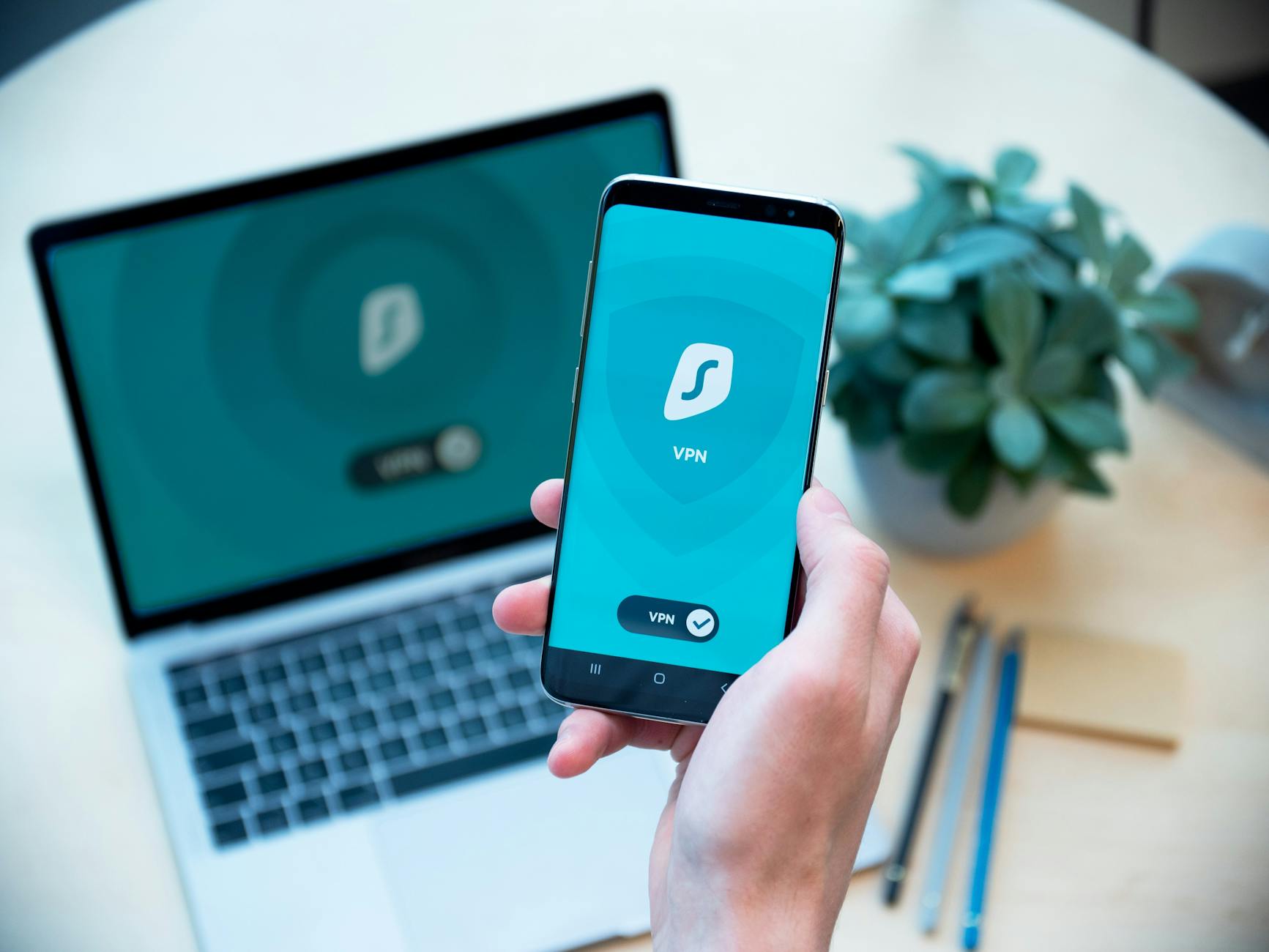
A Virtual Private Network (VPN) encrypts your internet connection, masking your IP address. This prevents your internet service provider (ISP), advertisers, and potential hackers from easily tracking your online activity. Using a VPN, especially on public Wi-Fi, is a recommended practice. - Implement Strong, Unique Passwords
Reusing passwords across multiple sites is a significant security risk. A password manager is highly recommended, as it can generate complex, unique passwords for every service, requiring you to remember only one master password. - Adjust Your Privacy Settings
Social media platforms, search engines, and operating systems often have privacy settings that are set to ‘public’ by default. Dedicate time to review these settings on all your major accounts. Limit who can see your posts, prevent data sharing with third-party apps, and turn off location tracking where unnecessary. - Enable Two-Factor Authentication (2FA)
Two-Factor Authentication (2FA) is essential. Enable it on every service that offers it. It adds an extra layer of security, making unauthorized access significantly harder even if your password is compromised.
Choosing the Right Tools for UK Online Privacy
The market offers numerous privacy tools, but their effectiveness varies. Based on recent reviews and independent tests, essential tools include:
| Feature | Example Tools | Primary Benefit | Ease of Use | Cost | Key Consideration |
|---|---|---|---|---|---|
| VPN | (e.g., ExpressVPN, NordVPN) | Encrypts traffic, hides IP | Moderate | Subscription | No-logs policy |
| Password Manager | (e.g., Bitwarden, 1Password) | Generates & stores strong passwords | High | Free basic, paid premium | Strong encryption & master password |
| Privacy Browser | (e.g., Brave, Firefox) | Blocks ads & trackers by default | High | Free | Default settings |
These categories of tools form the foundation of a comprehensive online privacy strategy.
Enjoying this article?
Weekly privacy guides delivered free.
Common Mistakes UK Users Make with Online Privacy
Many users overlook simple privacy traps. Over-sharing on social media—posting detailed travel plans, children’s full names, or identifiable locations—can be exploited. Neglecting to clear browser cookies regularly allows persistent tracking across websites. Furthermore, many users are unaware of the privacy implications of ‘free’ online services that often monetize user data.
Recent Developments in UK Online Privacy
The digital landscape in the UK is continually evolving. As reported by TechRadar, the UK is exploring digital ID schemes, but the approach emphasizes security and trustworthiness over simple ‘trust me bro’ methods, indicating a move towards more regulated digital identity solutions. Simultaneously, questions persist regarding the effectiveness of the UK’s Online Safety Act. While enacted with the aim of protecting users, particularly children, reports from organizations like the Electronic Frontier Foundation suggest ongoing debate about its real-world impact on online safety for minors.
As Pinsent Masons recently highlighted, child privacy remains a key concern, with the UK launching consultations over digital ID schemes that could impact younger users. This underscores the need for continued vigilance and adaptation to new privacy regulations and technological shifts.
Advanced Tips for True Digital Anonymity
For those seeking a higher level of privacy, consider using privacy-focused operating systems, encrypting your hard drive, and employing encrypted communication tools like Signal. Regularly auditing app permissions and understanding the data collected by your smart devices are also important steps.
Future-Proofing Your UK Online Privacy
Staying informed about evolving privacy laws and technological advancements is key. Regularly updating software, being cautious of phishing attempts, and understanding how your data is used by both government and private entities will help maintain your digital shield in the years to come.
Frequently Asked Questions
What is the most important privacy right under UK GDPR?
While all rights are important, the ‘right to erasure’ (the right to be forgotten) and the ‘right to access’ your data are frequently cited as empowering for individuals seeking control over their personal information.
Are free VPNs safe to use in the UK?
Free VPNs often come with significant privacy risks. They may log your data, inject ads, or have weaker security protocols. It is generally recommended to use reputable paid VPN services with a clear no-logs policy for reliable online privacy.




Contributing writer at Anonymous Browsing.