Online Privacy Guide UK 2026: Your Digital Shield Explained
Ever felt like your digital life is an open book? You’re not alone. Many of us in the UK worry about who sees our data, what companies know about us, and how secure our online activities truly are. This complete online privacy guide UK will equip you with the knowledge and practical steps to reclaim control. (Source: ico.org.uk)
Last updated: April 24, 2026
Latest Update (April 2026)
Recent developments highlight an increased focus on educating parents about online privacy risks. As reported by the BBC and MLex, there’s a growing call for parents to teach children about online privacy as a fundamental life skill, akin to road safety. This push comes amidst concerns that many primary school children have already shared sensitive personal information like names or addresses online, according to huffingtonpost.co.uk. The Information Commissioner’s Office (ICO) is actively urging parents to prioritize these discussions, as DecisionMarketing recently noted. Consultations on digital ID schemes continue, with a focus on trust and security, while questions remain about the Online Safety Act’s impact on child safety. As TechRadar highlighted in early April 2026, privacy advocates are scrutinizing the effectiveness and potential pitfalls of the UK’s online safety legislation, noting red flags that could impact both speech and privacy. (Sources: BBC, MLex, huffingtonpost.co.uk, DecisionMarketing, Pinsent Masons, Electronic Frontier Foundation, TechRadar)
Why is Online Privacy Important in the UK Now?
In the UK, our digital lives are more intertwined with our physical existence than ever before. Every click, every purchase, every search query leaves a digital breadcrumb trail. Sophisticated data collection has become more advanced, extending beyond targeted ads to encompass identity protection, financial security, and personal peace of mind. Reports indicate a significant portion of UK internet users express concern about their online privacy, highlighting a clear need for practical guidance. The YouGov 2026 Data Privacy Day report, released in January 2026, indicated evolving attitudes towards online data protection, with growing public awareness of the issues at play.
Understanding Your UK Privacy Rights: What Does UK GDPR Mean for You?
The UK General Data Protection Regulation (UK GDPR) remains a cornerstone of data protection in the UK. It grants individuals significant rights over their personal data. The Information Commissioner’s Office (ICO) reported a substantial number of data protection complaints in the UK in 2023, underscoring the ongoing need for individuals to assert their rights. YouGov’s 2026 Data Privacy Day report indicates that attitudes towards online data protection are evolving, with increased awareness among the public.
You have the right to access your data, rectify inaccuracies, erase your data (the ‘right to be forgotten’), restrict processing, data portability, and object to certain processing. Knowing these rights is the first step. enforcing them is where real power lies. For instance, individuals can successfully request the deletion of old online content by citing their ‘right to erasure’ under UK GDPR. The ICO continues to be the primary enforcer of these regulations, providing guidance and taking action against organisations that fail to comply.
Practical Steps: How to Secure Your Data Online in the UK
Protecting your online privacy doesn’t require a degree in cybersecurity. It’s about building smart habits. Here are core practices to keep your digital footprint minimal and secure:
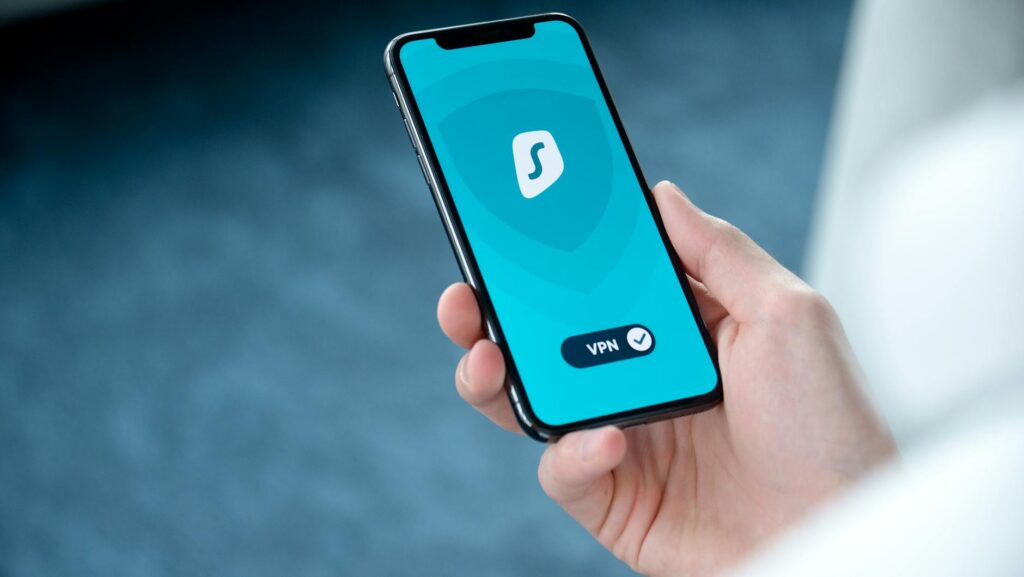
- Use a VPN Consistently: A Virtual Private Network (VPN) encrypts your internet connection, masking your IP address. This prevents your internet service provider (ISP), advertisers, and potential hackers from easily tracking your online activity. Using a VPN, especially on public Wi-Fi, is a highly recommended practice for all internet users in the UK. Experts suggest choosing a VPN provider with a strict no-logs policy.
- Implement Strong, Unique Passwords: Reusing passwords across multiple sites is a significant security risk. A password manager is highly recommended, as it can generate complex, unique passwords for every service, requiring you to remember only one master password. Regularly update your master password and enable 2FA on your password manager itself.
- Adjust Your Privacy Settings: Social media platforms, search engines, and operating systems often have privacy settings that are set to ‘public’ or ‘less private’ by default. Dedicate time to review these settings on all your major accounts. Limit who can see your posts, prevent data sharing with third-party apps, and turn off location tracking where unnecessary. Many services now offer granular controls, allowing for more tailored privacy configurations.
- Enable Two-Factor Authentication (2FA): Two-Factor Authentication (2FA) is essential. Enable it on every service that offers it. It adds an extra layer of security, making unauthorized access harder even if your password is compromised. Common methods include SMS codes, authenticator apps, or hardware security keys.
Choosing the Right Tools for UK Online Privacy
The market offers numerous privacy tools, but their effectiveness varies. Based on recent reviews and independent tests, essential tools include:
| Feature | Example Tools | Primary Benefit | Ease of Use | Cost | Key Consideration |
|---|---|---|---|---|---|
| VPN (e.g., ExpressVPN, NordVPN) | Encrypts traffic, hides IP | Moderate | Subscription | No-logs policy | |
| Password Manager (e.g., Bitwarden, 1Password) | Generates & stores strong passwords | High | Free basic, paid premium | Strong encryption & master password security | |
| Privacy Browser (e.g., Brave, Firefox) | Blocks ads & trackers by default | High | Free | Default settings and customisation options | |
| Encrypted Email Service (e.g., ProtonMail, Tutanota) | Secures email content | Moderate | Free basic, paid premium | End-to-end encryption implementation | |
| Privacy-Focused Search Engine (e.g., DuckDuckGo, Startpage) | Prevents search history tracking | High | Free | Search result quality and privacy commitment |
These categories of tools form the foundation of a complete online privacy strategy in the UK. Users should research specific options to find those that best suit their needs and technical comfort level.
Common Mistakes UK Users Make with Online Privacy
Many users overlook simple privacy traps. Over-sharing on social media—posting detailed travel plans, children’s full names, or identifiable locations—can be exploited. Neglecting to clear browser cookies regularly allows persistent tracking across websites. And many users are unaware of the privacy implications of ‘free’ online services that often monetize user data through extensive profiling. And — failing to update software promptly leaves systems vulnerable to known exploits.
Another common oversight is the use of public Wi-Fi without adequate protection. While convenient, these networks are often unsecured, making it easier for malicious actors to intercept data. As the Electronic Frontier Foundation has cautioned regarding online safety legislation, the lines between protecting children and infringing on general user privacy can become blurred. Users must remain vigilant about the permissions they grant to apps and services, often accepting lengthy terms and conditions without full comprehension.
The Evolving world of Online Safety Legislation in the UK
The UK’s approach to online safety is continually evolving, with significant legislation like the Online Safety Act aiming to protect users, especially children, from harmful content and activities. However, as noted by organizations like the Electronic Frontier Foundation and TechRadar in April 2026, there are ongoing debates about the Act’s effectiveness and potential unintended consequences for free speech and user privacy. The Cato Institute has also raised concerns that such laws could inadvertently create a ‘graveyard for speech and privacy’.
The government and regulatory bodies, including the ICO, are working to balance the need for safety with the protection of fundamental rights. This involves ongoing consultations and adjustments to policy. Users should stay informed about these developments, as they can impact how their data is handled and what protections are legally mandated. The push for increased digital literacy, as highlighted by the BBC’s reporting on parental education, is a critical component of this evolving landscape.
Protecting Children’s Online Privacy in the UK
The increasing prevalence of children using the internet necessitates a strong focus on their online privacy. As early as primary school, children may be sharing personal information online without fully risks. The BBC reported in early April 2026 that a call is growing for parents to treat online privacy education with the same importance as road safety. This proactive approach aims to equip children with the knowledge to make safer choices online.
Key strategies include open communication with children about what information is safe to share, teaching them to recognise and report inappropriate content or behaviour, and setting up solid privacy settings on devices and online accounts. The ICO provides resources for parents and educators to help facilitate these important conversations. It’s vital for parents to understand the platforms their children use and the privacy controls available within them.
Frequently Asked Questions
what’s the most important privacy setting to check?
The most critical privacy settings to check are those related to data sharing with third parties and location tracking. Limiting these can reduce the amount of personal information collected by apps and services and prevent it from being used for purposes you haven’t explicitly agreed to.
How often should I review my privacy settings?
it’s advisable to review your privacy settings at least every six months, or whenever a service updates its terms and conditions or privacy policy. Major platform updates can also sometimes reset or alter default settings, so vigilance is key.
Can I really be anonymous online in the UK?
Achieving complete online anonymity is very difficult. While tools like VPNs and privacy-focused browsers can enhance your privacy and make tracking harder, sophisticated actors or targeted investigations may still be able to de-anonymise users under certain circumstances. It’s more realistic to aim for a high degree of privacy rather than absolute anonymity.
what’s the ICO’s role in online privacy?
The Information Commissioner’s Office (ICO) is the UK’s independent authority set up to uphold information rights in the public interest. They enforce data protection laws, including UK GDPR, and promote good practice in data handling. They also investigate complaints and can take enforcement action against organisations that breach data protection rules.
Are ‘free’ online services safe for my privacy?
While many ‘free’ services are legitimate, their business model often relies on collecting and monetising user data. You can involve targeted advertising, data analysis, or selling anonymised data to third parties. Users should be aware that the ‘price’ of a free service is often their personal data. Carefully reviewing the privacy policy is essential.
Conclusion
complexities of online privacy in the UK in 2026 requires ongoing vigilance and a proactive approach. By understanding your rights under UK GDPR, implementing practical security measures, utilising appropriate privacy tools, and staying informed about evolving legislation and best practices, you can build a solid digital shield. Protecting your personal information isn’t just a technical challenge. it’s an essential part of maintaining your digital autonomy and security in an increasingly connected world.