Unmasking Political Propaganda: Tactics & Impacts (2026 Update)
TL;DR: Political propaganda, now amplified by AI and digital platforms, goes beyond simple lies to subtly shape public opinion through emotional appeals, selective facts, and identity-driven messaging. This guide details common tactics like fear-mongering and card-stacking, explores their profound societal impacts from polarization to eroded trust, and provides actionable strategies such as source verification and media literacy to help you critically evaluate information and resist manipulation in the evolving 2026 information landscape.
In an age where information travels at the speed of light and algorithms dictate what we see, political propaganda has evolved from a blunt instrument into a sophisticated, highly personalized force. For a blog like Anonymous Browsing, understanding this evolution is Key. What once required mass rallies and censored newspapers now operates through micro-targeted ads, AI-generated content, and carefully curated social media feeds. The challenge for 2026 isn’t just identifying outright falsehoods, but recognizing the subtle distortions, emotional triggers, and strategic omissions that shape our perception of reality.
This article unpacks the mechanisms of modern propaganda, from its core psychological tactics to its profound societal impacts. We’ll explore how digital platforms and artificial intelligence are transforming its reach and effectiveness, offer concrete examples of its application, and, most importantly, equip you with practical strategies to navigate this complex information environment. Our goal isn’t to build cynicism, but to cultivate critical thinking, empowering you to discern genuine persuasion from deliberate manipulation.
what’s Political Propaganda? A Modern Definition
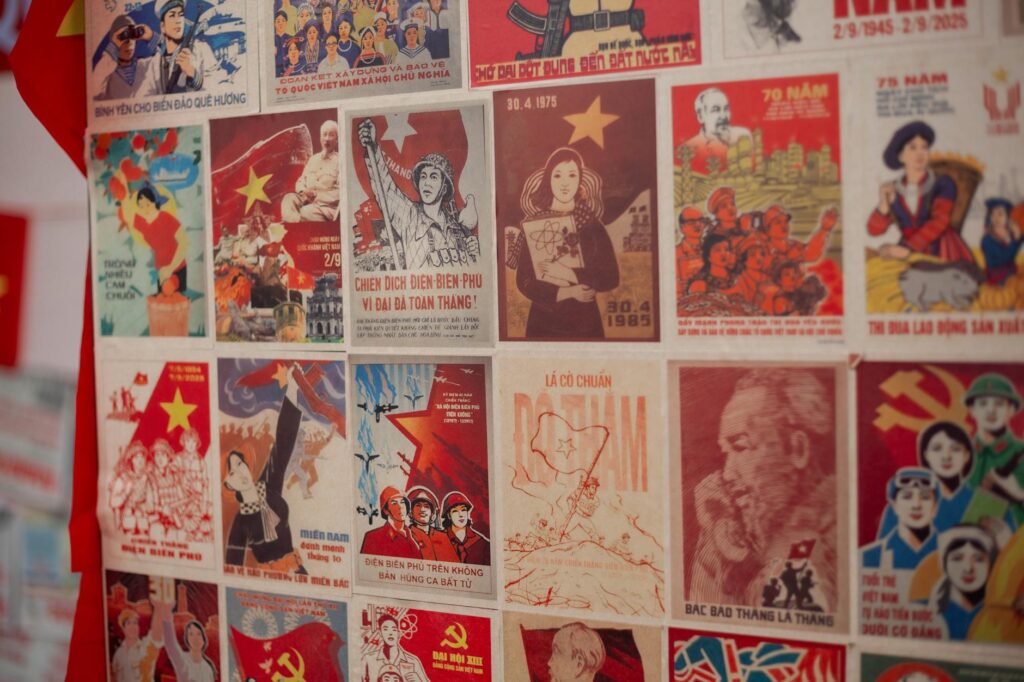
At its core, political propaganda is messaging designed to influence public opinion and behavior in favor of a specific political agenda, candidate, policy, or ideology. It s important to understand that propaganda isn’t always about outright lies. More often, it’s about the selective presentation of facts, the distortion of context, and the skillful manipulation of emotions to guide an audience toward a predetermined conclusion.
The Encyclopaedia Britannica defines propaganda as the “systematic dissemination of information, especially of a biased or misleading nature, used to promote or publicize a particular political cause or point of view.” (Source: Britannica.com). In the 2026 context, this definition expands to include:
- Emotional Resonance: Prioritizing emotional impact over factual accuracy.
- Identity-Based Appeals: Tapping into group loyalties, fears, and aspirations.
- Repetition and Pervasiveness: Ensuring messages are encountered repeatedly across diverse platforms.
- Contextual Manipulation: Presenting true facts in a misleading framework, or omitting Key counter-evidence.
Propaganda often overlaps with, but is distinct from, misinformation and disinformation. Misinformation refers to false or inaccurate information spread unintentionally. Disinformation is false information spread with the deliberate intent to deceive. Propaganda can use both, but its overarching purpose is influence and persuasion, often blurring the lines between fact and opinion, and appealing directly to sentiment rather than reasoned judgment.
The Arsenal of Influence: Common Propaganda Tactics
Propaganda tactics exploit human psychology, using cognitive biases and emotional shortcuts. Understanding these techniques is the first step toward resisting their influence. Here are some of the most prevalent:
Emotional Appeals: Stirring the Soul, Not the Mind
- Fear-Mongering: This tactic uses alarming claims or worst-case scenarios to generate anxiety and panic, pushing people to support a particular action or candidate as the only way to avoid a perceived threat. For example, a political ad might depict a dystopian future if a certain policy is enacted, focusing on the potential dangers rather than a balanced discussion of pros and cons.
- Appeal to Patriotism/Nationalism: Linking a political agenda to national pride, loyalty, or the common good. You can manifest as slogans like “Make Our Nation Great Again” or implying that opposing a policy is unpatriotic.
- Outrage and Scapegoating: Identifying an enemy or a group to blame for societal problems, channeling public frustration and anger towards them. This simplifies complex issues into an “us vs. them” narrative, often seen in rhetoric targeting immigrants, specific political parties, or economic elites.
Logical Fallacies & Distortions: Twisting Truth and Reason
- Ad Hominem (Name-Calling): Attacking the character or motive of an opponent instead of addressing their arguments. Examples are rife in political discourse, with terms like “radical socialist” or “corrupt elitist” used to dismiss an individual without engaging with their ideas.
- Card Stacking (Selective Truth): Presenting only facts, statistics, or arguments that support one’s position, while intentionally omitting contradictory information. A politician might cite only positive economic indicators while ignoring rising inflation or unemployment figures.
- False Equivalence: Presenting two arguments or situations as equally valid or comparable when they aren’t. You can be used to create doubt about well-established facts by giving undue weight to fringe views.
- Bandwagon: Creating the impression that “everyone else” is supporting a cause or candidate, implying that the audience should follow suit to avoid being left out or on the wrong side of history. Opinion polls are often selectively presented to create this effect.
- Glittering Generalities: Using vague, emotionally appealing words that are associated with highly valued concepts and beliefs (e.g., freedom, justice, progress) without providing concrete details or specific proposals. These terms evoke positive feelings but offer little substance.
Source Manipulation & Identity Play: Building Trust, Real or Imagined
- Testimonial/Appeal to Authority: Using endorsements from respected figures (celebrities, experts, community leaders) to lend credibility to a political message, even if the endorser lacks relevant expertise. This can also involve citing a “study” without providing its source or methodology.
- Plain Folks: Presenting a leader or idea as being of the “common people” to create a sense of relatability and shared values. A wealthy politician might emphasize their humble beginnings or engage in activities designed to show them as an “everyman.”
- Transfer: Associating a political message with a respected symbol, value, or institution to evoke positive feelings. The use of national flags, religious imagery, or historical figures in political advertising are classic examples.
The Digital Amplification: Propaganda in the 2026 Landscape
The digital age hasn’t only accelerated the spread of propaganda but also endowed it with unprecedented sophistication and reach. The “2026 Update” isn’t about new tactics but about the exponential amplification and personalization of existing ones, primarily driven by social media, data analytics, and artificial intelligence.
Social Media Algorithms and Echo Chambers
Platforms like Facebook, X (formerly Twitter), and TikTok are central to modern propaganda. Their algorithms, designed to maximize engagement, inadvertently create “echo chambers” and “filter bubbles” where users are primarily exposed to information that confirms their existing beliefs. This makes audiences highly susceptible to propaganda that aligns with their worldview, while simultaneously insulating them from dissenting opinions or factual corrections. Coordinated inauthentic behavior (CIB) by state-backed actors or political groups, involving networks of fake accounts, can quickly amplify narratives, making them appear more widespread and credible than they’re.
AI and Deepfakes: The Erosion of Reality
Artificial intelligence is a big deal. AI-generated text can produce convincing fake news articles, social media posts, and comments at scale, overwhelming legitimate discourse. Even more concerning are “deepfakes” synthetic media (audio, video, images) that realistically portray people saying or doing things they never did. The potential for AI to create compelling, yet entirely fabricated, political speeches, interviews, or incriminating footage poses a severe threat to trust in visual and audio evidence. Detecting AI-generated propaganda will become an increasingly difficult challenge, demanding advanced tools and heightened public skepticism.
Microtargeting and Personalization
Political campaigns and influence operations now collect vast amounts of data on individuals, from browsing habits to purchasing history and social media activity. This data enables “microtargeting,” where propaganda messages are tailored to resonate with the specific psychological profiles, fears, and aspirations of small audience segments. A message designed to incite fear about immigration might be shown only to a demographic identified as susceptible to that narrative, while another group receives a message appealing to economic optimism. This personalization makes propaganda incredibly potent and harder to universally debunk, as different people are exposed to different, subtly varied versions of the same core message.
Foreign Influence Operations: A Persistent Threat
The “2026 Update” is especially relevant here, as nation-states continue to refine their capabilities to influence public discourse in other countries. As the existing article hinted, these operations often avoid overt political messaging, instead focusing on exacerbating existing social divisions, eroding trust in democratic institutions, and promoting narratives that serve their strategic interests. Reports from organizations like the Atlantic Council’s Digital Forensic Research Lab consistently document how state-backed actors use layered messaging, AI-generated content, and networks of seemingly organic accounts to push divisive content or promote specific geopolitical viewpoints. These campaigns often exploit real-world events or grievances, amplifying them to sow discord and weaken social cohesion.
The Far-Reaching Impacts: Why Propaganda Matters
The effects of sustained propaganda extend far beyond individual opinions. they reshape societies, political systems, and international relations.
Political Polarization and Division
Propaganda thrives on division. By constantly framing issues in binary, us-versus-them terms, it deepens partisan divides and makes compromise seem like betrayal. This polarization can paralyze political systems, making it difficult to address pressing societal challenges and building an environment of perpetual conflict.
Erosion of Trust in Institutions and Media
A primary long-term goal of much propaganda is to undermine trust in established institutions government, the judiciary, scientific bodies, and especially independent journalism. If people are convinced that all information sources are biased or corrupt, they become more vulnerable to manipulative narratives and less able to distinguish fact from fiction. Pew Research Center studies consistently show varying levels of trust in national institutions, often along partisan lines, making populations more susceptible to narratives that confirm their existing distrust. (Source: PewResearch.org).
Weakening Democratic Processes
Propaganda can directly impact election outcomes by suppressing voter turnout, influencing undecided voters, or distracting the electorate from substantive policy debates. When voters are overwhelmed by sensationalism, fear, or outrage, they have less capacity to critically evaluate candidates and policies, thereby weakening the informed consent that underpins democratic choice.
Social Consequences: Inciting Hatred and Violence
In its most extreme forms, propaganda can dehumanize specific groups, making them targets of discrimination, hostility, and even violence. Historical examples abound, and contemporary online rhetoric frequently demonstrates how repeated negative framing can normalize prejudice and incite real-world harm.
Building Resilience: Strategies to Detect and Counter Propaganda
Countering propaganda isn’t about censorship. it’s about building critical thinking and media literacy. Here’s how individuals and communities can build resilience:
Cultivating Critical Thinking and Skepticism
The most powerful defense is a questioning mind. Before accepting any claim, especially one that triggers strong emotions, pause and ask:
- who’s presenting this message, and what’s their agenda?
- What evidence is provided, and is it verifiable?
- What information might be missing or deliberately omitted?
- How does this message make me feel, and why?
- Does this message confirm my existing biases, and am I therefore less likely to question it?
Source Verification and Fact-Checking
Develop a routine for verifying information:
- Check the Source: Don’t just read the headline or a repost. Click through to the original article or post. Is it a reputable news organization, an advocacy group, or an anonymous account?
- Cross-Reference: Compare information across multiple, diverse, and credible news outlets. If a major story is only reported by one obscure site, be wary.
- Look for Dates and Context: Old information can be repackaged as new. Ensure you have the full context of quotes, images, or events.
- Reverse Image Search: Tools like Google Images or TinEye can help you determine if an image has been manipulated or used out of context.
- Consult Fact-Checking Sites: Bookmark and regularly use independent fact-checkers like Snopes, PolitiFact, or FactCheck.org.
Media Literacy: Information Ecosystem
Media literacy is the ability to access, analyze, evaluate, and create media in a variety of forms. It involves understanding how media is produced — who owns media outlets, and how different types of media (news, opinion, advertising) aim to influence. Educational initiatives that teach these skills are vital, especially for younger generations growing up in a digitally saturated world.
Emotional Intelligence: Recognizing Manipulation
Propaganda often bypasses logic by directly targeting emotions. When a piece of content makes you feel intensely angry, fearful, or triumphant, take a step back. Strong emotional responses are a signal to engage your critical thinking skills rather than immediately sharing or believing the message. Ask yourself if the emotion is justified by the facts, or if it’s being artificially manufactured.
Diversifying Information Sources
Actively seek out news and perspectives from a variety of sources, including those that may challenge your existing views. This helps break down filter bubbles and provides a more complete, nuanced understanding of complex issues. Following journalists and commentators from different parts of the political spectrum, or from different countries, can broaden your perspective.
Supporting Independent Journalism
solid, ethical journalism is a Key bulwark against propaganda. Independent news organizations invest in investigative reporting, fact-checking, and accountability. Supporting them through subscriptions or donations helps ensure the continued availability of high-quality, verified information.
Frequently Asked Questions (FAQ)
What’s the difference between propaganda and persuasion?
Persuasion aims to convince through reasoned argument, evidence, and appeals to logic, allowing the audience to make an informed decision. Propaganda, while a form of persuasion, often relies on emotional appeals, selective facts, and manipulation to bypass critical thought and elicit a predetermined response.
Can propaganda ever be ethical or good?
The term “propaganda” carries a negative connotation due to its historical association with manipulation and deception. While information campaigns can promote public health or safety (e.g., anti-smoking campaigns), if they employ deceptive tactics or suppress dissenting views, they lean into unethical propaganda. Generally, ethical communication prioritizes transparency, accuracy, and respect for the audience’s autonomy.
How do I know if I’m being manipulated by propaganda?
Look for emotional urgency, oversimplified narratives, a lack of verifiable evidence, attacks on opponents rather than their arguments, and consistent repetition of the same message across seemingly disparate sources. If a message feels too perfect, too enraging, or too simple for a complex issue, it warrants closer inspection.
What role does AI play in 2026 propaganda?
In 2026, AI scales the creation and distribution of propaganda. It automates content generation (fake articles, social media posts), creates hyper-realistic synthetic media (deepfakes), and enables highly personalized microtargeting, making manipulative content more convincing, pervasive, and difficult to detect.
What can I do as an individual to counter propaganda?
Practice critical thinking, verify sources, cross-reference information, develop media literacy skills, be aware of your own biases, and resist the urge to share emotionally charged content without checking its veracity. Support and consume independent, fact-based journalism.
Unmasking Political Propaganda: Tactics & Impacts (2026 Update) reveals that vigilance and critical engagement are our strongest defenses. In a rapidly evolving digital landscape, the ability to discern, question, and verify information isn’t just a skill it’s a civic responsibility. By mechanisms of influence, we can protect our minds, strengthen our communities, and safeguard democratic discourse.