what’s Sterling Silver? Beyond the Shine
Sterling silver is a highly prized alloy, typically composed of 92.5% pure silver and 7.5% other metals, most commonly copper. This precise composition enhances durability and workability while retaining much of silver’s natural luster, making it a cornerstone for fine jewelry and decorative arts. Understanding its nuances is key for anyone appreciating or investing in fine metalwork.
Latest Update (April 2026): Recent trends indicate a continued demand for sterling silver jewelry, with consumers seeking durable yet elegant pieces. While some luxury brands are exploring alternative metals like platinum, as reported by the New York Post in February 2026, sterling silver maintains its appeal due to its balance of affordability, aesthetic quality, and versatility. The market also sees a growing interest in vintage and curated sterling silver pieces, reflecting a move beyond fleeting trends, as noted by Vogue Singapore in June 2025.
What Exactly Defines Sterling Silver?
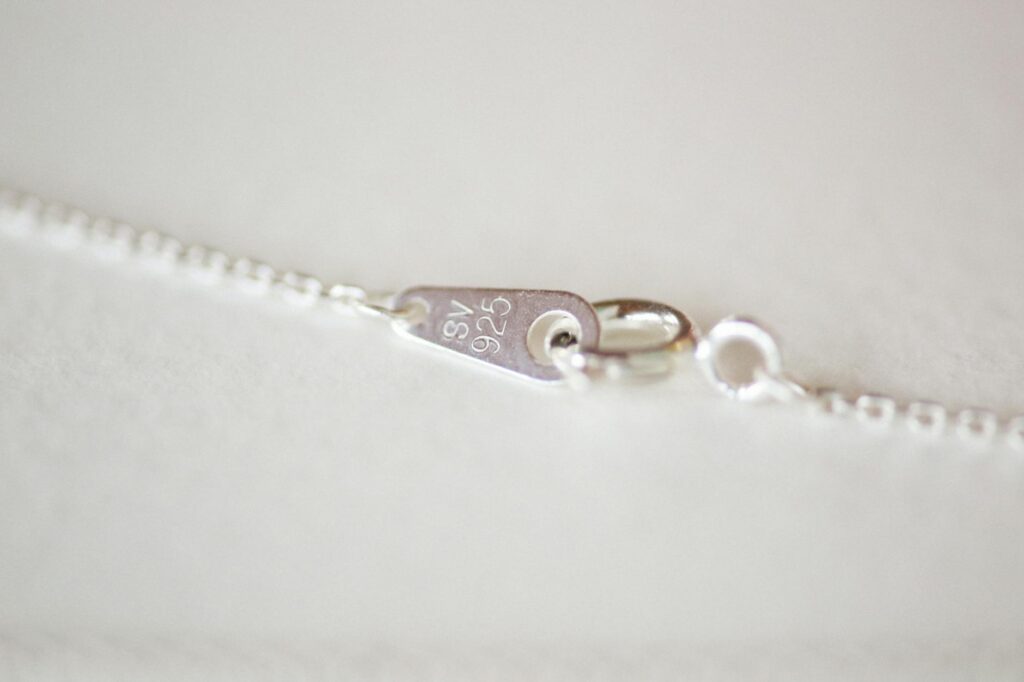
At its core, sterling silver is an alloy, meaning it’s a mixture of two or more metals. The defining characteristic of sterling silver is its purity: 92.5% of its mass is pure silver (Ag), and the remaining 7.5% consists of other metals. This standard is internationally recognized and often denoted by the “925” stamp, indicating 925 parts per thousand of silver. Pure silver, while exceptionally beautiful and lustrous, is extremely soft and easily damaged, making it impractical for most wearable items or functional objects that experience regular use. The addition of metals like copper provides the necessary strength and resilience without compromising silver’s inherent properties. This controlled alloy ensures that the metal can withstand the rigors of daily wear and intricate crafting.
Why Is Sterling Silver the Preferred Alloy?
The deliberate alloy of 92.5% silver offers a critical balance between beauty and practicality. Pure silver, or fine silver, registers at 99.9% purity (999). While it possesses an unparalleled luster, it’s so malleable that it can be bent, scratched, or deformed with minimal force. Sterling silver, with its 7.5% of alloying metals ( copper), achieves a hardness that makes it ideal for intricate designs, everyday wear, and durable tableware. This alloy is more resistant to deformation than fine silver, ensuring longevity for cherished items. The addition of copper can subtly alter the color, often resulting in a whiter, brighter appearance compared to some other silver alloys — which is highly desirable in jewelry and decorative arts.
The specific alloying metals can influence the alloy’s properties. While copper is the most common, some manufacturers might incorporate small amounts of zinc, or historically, nickel. However, due to rising concerns about metal allergies, nickel is less common in modern sterling silver formulations, especially in regions with strict regulations. Germanium has also been explored by some manufacturers to enhance tarnish resistance. These variations can subtly affect the metal’s resistance to tarnishing or its casting properties. But — the 92.5% silver standard remains the universal benchmark for what constitutes authentic sterling silver, ensuring a consistent level of quality and value across the global market.
As reported by the New York Post in February 2026, some high-end brands are exploring metals like platinum. This shift, however, highlights the enduring value proposition of sterling silver — which offers a comparable aesthetic appeal at a more accessible price point. According to industry analysts, sterling silver’s market share remains solid due to its versatility and widespread consumer trust. And — the ongoing popularity of vintage and curated pieces, as noted by Vogue Singapore in June 2025, suggests a consumer preference for items with inherent value and timeless design, a category where sterling silver excels.
How Can You Identify Genuine Sterling Silver?
Identifying genuine sterling silver involves a multi-faceted approach, combining visual cues, physical tests, and official markings. The most immediate indicator is the hallmark. Look for stamps such as “925,” “Sterling,” “Ster,” or “Stg.” These marks are typically found on the underside of jewelry, the base of hollowware, or the back of decorative items. The presence of a hallmark is a strong indicator, but it’s not the sole determinant, as counterfeit marks can exist. As of 2026, the market continues to see sophisticated reproductions, making due diligence essential.
A common, though not foolproof, test is the magnet test. Sterling silver isn’t magnetic. If an item is strongly attracted to a magnet, it’s likely not sterling silver or is plated over a magnetic base metal. However, some non-magnetic metals can also be used in counterfeiting, so this test should always be combined with others for a more accurate assessment. For instance, stainless steel is magnetic and often used for plating, but some base metals used in imitation jewelry might also be non-magnetic.
For a more definitive assessment, especially for valuable items, professional testing is highly recommended. You can involve using an acid test kit—which requires scratching a small, inconspicuous area and applying a chemical reagent. The resulting color change indicates the silver’s purity. Alternatively, an X-ray fluorescence (XRF) analyzer provides a non-destructive method to determine the exact elemental composition of the metal. According to independent lab analyses, an XRF analysis is the most accurate method for verifying composition without damaging the piece, providing detailed readings of all constituent elements.
Important Note: Be cautious of items marked only with “925.” While it indicates the silver content, it doesn’t guarantee it’s solid sterling silver. It could potentially be sterling silver plating over a less precious metal. True sterling silver items will always have this purity mark, but always look for additional maker’s marks for greater assurance of authenticity and craftsmanship.
Caring for Your Sterling Silver
Sterling silver, while durable, can tarnish over time due to exposure to air and moisture. Tarnishing is a natural chemical reaction where silver reacts with sulfur compounds in the air, forming a dark layer on the surface. Proper care can slow this process and maintain the metal’s shine.
Cleaning Sterling Silver:
- Gentle Cleaning: For light tarnish, use a soft, lint-free cloth In particular designed for polishing silver. Gently rub the tarnished areas.
- Mild Soap and Water: For dirt or grime, wash the item with lukewarm water and a mild dish soap. Dry thoroughly with a soft cloth immediately after washing to prevent water spots.
- Silver Polishing Compounds: For more stubborn tarnish, use a reputable silver polish. Apply a small amount to a soft cloth and rub gently. Follow the product instructions carefully and avoid using abrasive materials or harsh chemicals, as these can damage the silver or its finish.
- Professional Cleaning: For intricate pieces or valuable heirlooms, consider professional cleaning by a qualified jeweler.
Preventing Tarnish:
- Store Properly: Keep sterling silver items in airtight containers or anti-tarnish bags. Storing them in a cool, dry place away from direct sunlight is ideal.
- Avoid Exposure: Remove sterling silver jewelry before swimming, exercising, or applying lotions, perfumes, and hairsprays. Chemicals in these products can accelerate tarnishing.
- Regular Wear: Believe it or not, wearing your sterling silver jewelry regularly can help prevent tarnish. The natural oils from your skin can help polish the silver.
As highlighted by Fox News in their August 2025 summer deals coverage, jewelry, including sterling silver pieces, remains a popular category for consumers looking for quality and value. Maintaining sterling silver ensures that these purchases retain their beauty and intrinsic worth for years to come.
The Value and Investment Potential of Sterling Silver
Sterling silver holds significant value, not just for its aesthetic appeal but also as a tangible asset. While its price fluctuates with the global silver market, it generally remains more accessible than precious metals like gold or platinum. As of April 2026, the price of silver is influenced by various industrial and investment demands. Reports from financial news outlets indicate that while platinum is gaining traction in some luxury segments, sterling silver continues to be a preferred choice for a broad consumer base seeking quality and style without the premium price tag associated with rarer metals. The New York Post noted in February 2026 that while Pandora is exploring platinum, their continued focus on sterling silver highlights its broad market appeal.
Beyond its market value, sterling silver items can become valuable heirlooms. Vintage sterling silver tableware, jewelry, and decorative objects often appreciate in value, especially if they’re rare, well-crafted, or have historical significance. As Vogue Singapore highlighted in June 2025, there’s a growing appreciation for “subversive charm of curating beyond trends,” which often leads collectors to seek out unique and timeless sterling silver pieces. This trend suggests that sterling silver offers not only immediate aesthetic gratification but also long-term collectible value.
Sterling Silver in Popular Culture and Collectibles
Sterling silver has a long and rich history woven into various cultures and historical periods. From ornate religious artifacts to everyday tableware and intricate jewelry, its presence is undeniable. In contemporary times, sterling silver continues to be a popular choice for a lots of products.
The Disney Parks Blog reported in November 2023 on new merchandise, and it’s common for such releases to include sterling silver items, especially for collectible lines. These pieces often feature beloved characters and designs, appealing to both collectors and fans. Similarly, the “Shine Like America’s Sweethearts” theme mentioned by Southlake Style in July 2025 points to the enduring association of silver with glamour and iconic style, often embodied by sterling silver jewelry.
The trend of collecting vintage and curated items, as discussed by Vogue Singapore, extends to sterling silver. This includes everything from mid-century modern jewelry to antique serving trays. These pieces often tell a story and offer a unique connection to the past, making them highly sought after by collectors who value craftsmanship and history over fleeting fashion trends. The accessibility of sterling silver compared to other precious metals makes these collectibles attainable for a wider audience.
Frequently Asked Questions
what’s the difference between fine silver and sterling silver?
Fine silver is 99.9% pure silver, making it very soft and prone to damage. Sterling silver is an alloy of 92.5% silver and 7.5% other metals (usually copper) — which makes it much more durable and suitable for everyday wear and intricate designs.
Is sterling silver a good investment?
Sterling silver has intrinsic value due to its silver content and can appreciate over time, especially vintage or rare pieces. While not as volatile as some commodities, its value is tied to the fluctuating global silver market. It’s often considered a more accessible precious metal for collectors and those looking for tangible assets compared to gold or platinum.
How do I clean tarnished sterling silver?
For light tarnish, use a soft silver polishing cloth. For heavier tarnish, use a mild silver polish In particular designed for the metal, applying it with a soft cloth. Always wash with mild soap and water for general cleaning and dry thoroughly immediately afterward. Avoid abrasive materials.
Can I wear sterling silver every day?
Yes, sterling silver is designed for regular wear. Its alloy composition makes it durable enough for daily use. However, it’s advisable to remove sterling silver jewelry during strenuous activities, swimming, or when exposed to chemicals like lotions and perfumes to minimize tarnishing and potential damage.
What does the “925” stamp mean?
The “925” stamp on an item signifies that it’s made of sterling silver, meaning it contains 92.5% pure silver and 7.5% other metals. It’s a hallmark indicating the minimum silver purity.
Conclusion
Sterling silver remains a distinguished and practical choice solid durability, and relative affordability. Whether adorning oneself with intricate jewelry, setting a table with elegant hollowware, or collecting unique vintage pieces, sterling silver offers a timeless quality that transcends fleeting trends. Understanding its composition, care, and identification is essential for anyone seeking to appreciate or invest in this versatile and cherished alloy, ensuring its shine and value are preserved for years to come.