
Contributing writer at Anonymous Browsing.
- Table of Contents
- Why Anonymous Browsing Matters in the UK Today
- Latest Update (April 2026)
- Understanding What ‘Anonymous’ Really Means Online
- Tools for Anonymous Browsing in the UK
- Virtual Private Networks (VPNs)
- Tor Browser
- Privacy-Focused Browsers and Extensions
- Pros of Anonymous Browsing Tools:
- Cons of Anonymous Browsing Tools:
- Beyond the Browser: Essential Habits for UK Digital Privacy
- Navigating UK Privacy Laws: What You Need to Know
- The Downsides of Anonymity: When to Be Cautious
- Your Next Steps to Enhanced UK Online Privacy
- Frequently Asked Questions About Anonymous Browsing UK
- Is using a VPN legal in the UK?
- Can I be truly anonymous online using just Tor?
- Does the UK government monitor private browsing?
Anonymous Browsing UK 2026: Your Essential Guide to Digital Privacy
In the interconnected digital world of 2026, achieving anonymous browsing in the UK is more vital than ever. It’s about control over your personal data, your online identity, and your freedom from pervasive tracking. While 100% anonymity is elusive, significant privacy is attainable. (Source: ico.org.uk)
Important: This guide provides practical steps for enhancing your online privacy. Always ensure your online activities comply with all applicable laws and regulations.
Table of Contents
- Why Anonymous Browsing Matters in the UK Today
- Understanding What ‘Anonymous’ Really Means Online
- Tools for Anonymous Browsing in the UK
- Beyond the Browser: Essential Habits for UK Digital Privacy
- Navigating UK Privacy Laws: What You Need to Know
- The Downsides of Anonymity: When to Be Cautious
- Your Next Steps to Enhanced UK Online Privacy
- Frequently Asked Questions About Anonymous Browsing UK
Anonymous browsing in the UK allows individuals to navigate the internet without revealing their identity or online activities, significantly enhancing personal data protection. This is typically achieved through tools like Virtual Private Networks (VPNs), the Tor browser, and privacy-focused browser settings, which mask IP addresses and encrypt data to prevent tracking by websites, advertisers, and even internet service providers.
Why Anonymous Browsing Matters in the UK Today
In the UK, understanding and implementing anonymous browsing techniques is increasingly important for everyone. From hyper-targeted advertising that follows you across the web to the constant risk of data breaches, your digital footprint is always being tracked. Beyond personal preference, UK citizens face unique challenges. While the UK maintains strong data protection laws, the sheer volume of data collected by companies means your information is always at risk. Furthermore, legislation like the Investigatory Powers Act continues to grant significant surveillance powers to government agencies, making private browsing a practical necessity for many.
A 2024 report by the UK’s Information Commissioner’s Office (ICO) indicated that a significant majority of UK adults are concerned about how their personal data is used online, underscoring the widespread desire for greater digital privacy.
Latest Update (April 2026)
Recent reviews of VPN services in early 2026 highlight a continued focus on user privacy and security. Publications like TechRadar and PCMag have consistently ranked top VPN providers based on their no-logs policies, encryption standards, and server network performance. As reported by PCMag in March 2026, choosing a reputable VPN service remains a primary recommendation for enhancing online anonymity in the UK. Additionally, ongoing discussions surrounding digital privacy rights, as exemplified by high-profile privacy cases, reinforce the importance of proactive measures for safeguarding personal information online.
Understanding What ‘Anonymous’ Really Means Online
When discussing anonymous browsing, it’s vital to clarify what it truly entails. Many mistakenly believe that using a browser’s ‘Incognito’ or ‘Private’ mode offers complete anonymity. This is a common misconception. While private browsing modes prevent your browser from saving your history, cookies, and site data locally, they do not hide your IP address from websites, your Internet Service Provider (ISP), or your employer. Your online activity can still be tracked. True anonymous browsing requires tools that obscure your identity and data from these external entities.
Tools for Anonymous Browsing in the UK
Achieving a higher level of anonymity in the UK requires a combination of tools and habits. Based on recent reviews and expert recommendations, the following are effective for anonymous browsing:
Virtual Private Networks (VPNs)
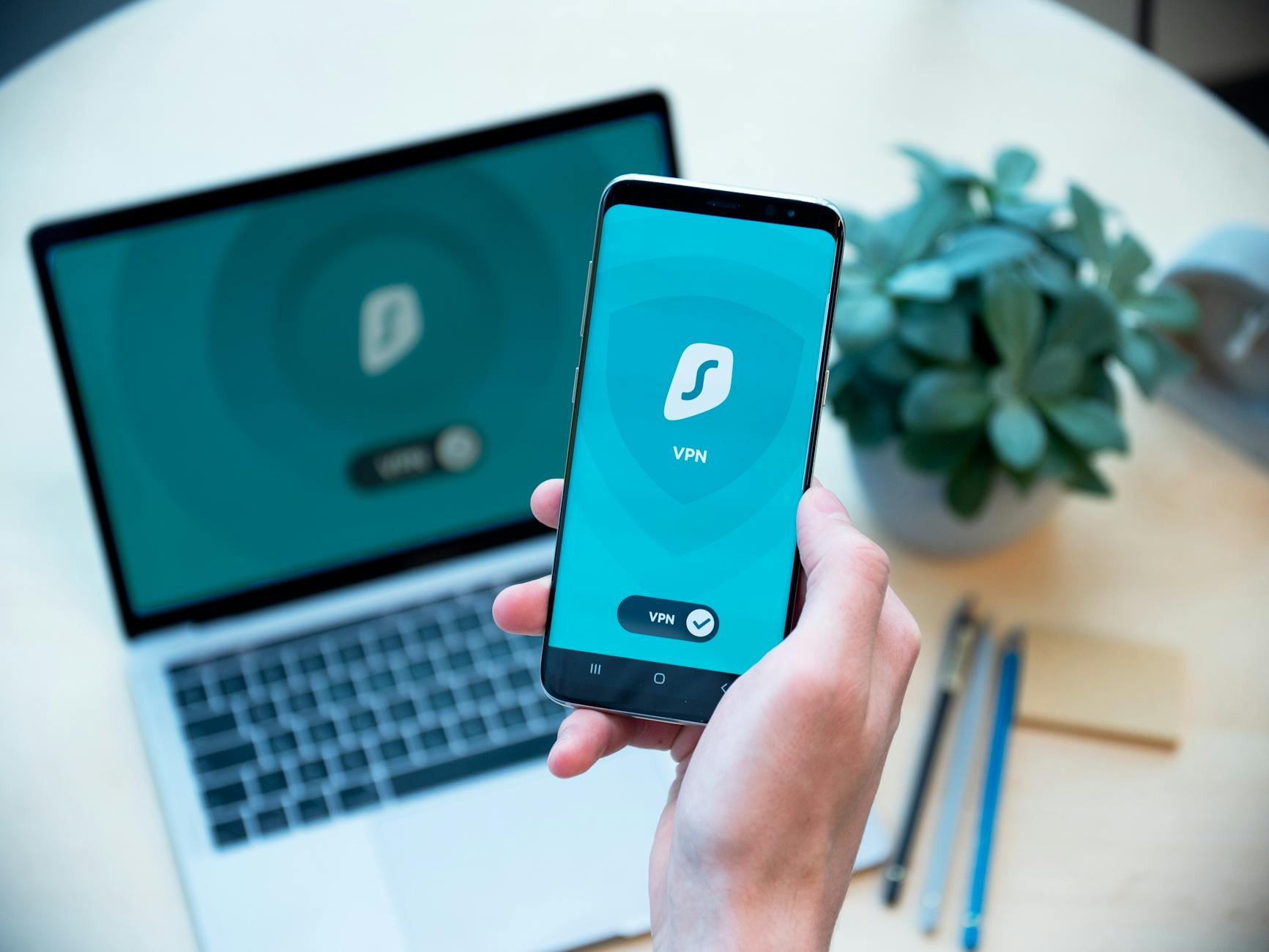
A VPN is a primary defense. When you connect to a VPN, your internet traffic is routed through an encrypted tunnel to a server operated by the VPN provider. This masks your real IP address, making it appear as though you’re browsing from the VPN server’s location, and encrypts your data from your ISP. For anonymous browsing, UK residents should prioritize VPNs with a strict ‘no-logs’ policy, meaning they do not record your online activities. According to independent tests, the best VPN services for 2026 offer strong encryption and a wide range of server locations.
Tor Browser
Enjoying this article?
Weekly privacy guides delivered free.
The Tor Browser offers a higher level of anonymity. It routes your internet traffic through a worldwide network of volunteer-run relays, making it extremely difficult to trace your online activity back to you. Each relay decrypts only enough information to pass the traffic to the next relay. While slower than a VPN, for maximum anonymity, especially when accessing sensitive information, Tor is a powerful option.
Privacy-Focused Browsers and Extensions
Consider privacy-focused browsers like Brave or DuckDuckGo Browser, which include built-in ad and tracker blockers. Browser extensions such as uBlock Origin (for ad blocking) and Privacy Badger (for blocking invisible trackers) also significantly enhance your privacy by preventing websites from collecting data about your browsing habits. These tools work effectively in conjunction with a VPN or Tor.
Pros of Anonymous Browsing Tools:
- Protects your IP address and location.
- Encrypts your internet traffic from ISPs and potential snoopers.
- Reduces tracking by advertisers and websites.
- Can help bypass geo-restrictions.
- Enhances overall digital security.
Cons of Anonymous Browsing Tools:
- Can sometimes reduce internet speed (especially Tor).
- Premium VPNs require subscription costs.
- Requires some technical understanding.
- Does not protect against all forms of tracking without advanced measures.
- Not a shield for illegal activities.
Beyond the Browser: Essential Habits for UK Digital Privacy
Effective digital privacy in the UK extends beyond just using specific tools. Adopting secure habits is equally important:
- Secure Your Wi-Fi: Ensure your home Wi-Fi network is password-protected with a strong, unique password.
- Be Wary of Public Wi-Fi: Avoid accessing sensitive information (like banking) on unsecured public Wi-Fi networks. If you must, always use a VPN.
- Review App Permissions: Regularly check and limit the permissions granted to apps on your devices.
- Use Strong, Unique Passwords: Employ a password manager to generate and store complex passwords for all your online accounts.
- Enable Two-Factor Authentication (2FA): Add an extra layer of security to your accounts wherever possible.
- Be Mindful of Social Media Sharing: Limit the amount of personal information you share publicly on social media platforms.
Navigating UK Privacy Laws: What You Need to Know
The UK’s data protection framework is primarily governed by the UK GDPR and the Data Protection Act 2018. These laws grant individuals rights over their personal data, including the right to be informed, the right of access, and the right to object to processing. As reported by the Press Gazette in March 2026 regarding a significant privacy case, legal challenges continue to shape the interpretation and enforcement of privacy rights in the UK. Understanding these rights empowers you to make informed decisions about your data.
The Downsides of Anonymity: When to Be Cautious
While pursuing anonymity, it’s important to be aware of potential drawbacks. Over-reliance on anonymity tools can sometimes lead to a false sense of security. Additionally, some websites or online services may restrict access to users who employ VPNs or Tor, potentially impacting your ability to access certain content or services. Furthermore, using these tools for illegal activities carries severe legal consequences.
Your Next Steps to Enhanced UK Online Privacy
Enhancing your digital privacy in the UK is an ongoing process. Start by evaluating your current online habits and identifying areas for improvement. Consider implementing a reputable VPN service and a privacy-focused browser. Regularly review your device and app settings, and stay informed about evolving privacy threats and best practices.
Frequently Asked Questions About Anonymous Browsing UK
Is using a VPN legal in the UK?
Yes, using a VPN is legal in the UK for most purposes. It is primarily used to enhance privacy and security. However, using a VPN to engage in illegal activities remains illegal.
Can I be truly anonymous online using just Tor?
While the Tor Browser offers a high degree of anonymity by obscuring your IP address and encrypting traffic through multiple relays, true 100% anonymity is extremely difficult to achieve. Advanced tracking methods or user error could potentially compromise anonymity.
Does the UK government monitor private browsing?
While the Investigatory Powers Act grants the government significant surveillance powers, this typically requires specific legal authorization. Standard private browsing modes do not prevent your ISP from seeing your activity, but directly monitoring every individual’s private browsing without cause is not standard practice. Using a VPN or Tor adds a significant layer of protection against such monitoring.




Contributing writer at Anonymous Browsing.