Data Protection: UK & EU Best Practices
Data Protection: UK & EU Best Practices. This guide covers everything about best practices for data protection. A staggering 79% of UK adults have experienced at least one data breach. That’s not a statistic from some far-off land. it’s our neighbours, our friends, and likely, you. In an era where personal data is more valuable than gold, understanding and implementing strong data protection measures isn’t just smart – it’s survival. Forget the tech jargon and the endless privacy policies. Here’s about real-world strategies tailored for us here in the UK and across Europe, focusing on actionable best practices for data protection that actually work. (Source: ico.org.uk)
Latest Update (April 2026)
As of April 2026, the world of data protection in the UK and EU continues to evolve. Recent developments include the commencement of data protection provisions within the UK’s Data (Use and Access) Act — which came into force in February 2026. As reported by Hogan Lovells and JD Supra, these reforms signal a shift in how data is used and accessed, impacting both businesses and individuals. And — discussions around age assurance for digital businesses operating in the UK and EU, as highlighted by Mondaq, are becoming increasingly pertinent in 2026. The UK Biobank project has also drawn attention regarding privacy concerns, according to The Guardian, underscoring the ongoing public and governmental scrutiny of large-scale data handling projects.
Contents
- What Data Protection Really Means (Beyond GDPR Buzzwords)
- Taming Your Digital Footprint: The First Line of Defence
- Securing Your Devices: Your Personal Fort Knox
- Navigating Online Services: Consent and Control
- Responding to Data Breaches: What to Do When the Worst Happens
- Beyond the Basics: Advanced Data Protection Strategies
- Frequently Asked Questions
What Data Protection Really Means (Beyond GDPR Buzzwords)
Data protection, at its core, is about safeguarding your personal information from unauthorised access, loss, or misuse. While the General Data Protection Regulation (GDPR) sets a high bar for businesses and organisations processing our data in the EU and UK, our personal responsibility is equally key. It’s not just about what the law demands of companies. it’s about how we proactively shield ourselves. Think of it as digital self-defence.
The Information Commissioner’s Office (ICO) in the UK, and its European counterparts, are there to enforce these rights, but they can’t hold your hand every step of the way. We need to understand what constitutes personal data – that’s anything that can identify you, from your name and email address to your IP address, biometric data, and browsing history. The best practices for data protection start with recognising the value of this information and taking proactive steps to keep it private and secure. The Data (Use and Access) Act 2025 in the UK — which saw its data protection provisions commence in February 2026, further refines the legal framework around data usage, requiring organisations to be more transparent and accountable. According to Wilson Sonsini, these reforms bring UK data protection laws into closer alignment with international standards while introducing specific UK-centric requirements.
Taming Your Digital Footprint: The First Line of Defence
Every click, every search, every social media post leaves a trace – your digital footprint. Minimising this footprint is a fundamental best practice for data protection. Here’s how to start shrinking it:
- Review Social Media Privacy Settings: Seriously, take 15 minutes. Go through your Facebook, Instagram, X (formerly Twitter), TikTok, and LinkedIn settings. Limit who sees your posts, your personal details, and your location. Don’t make it easy for random people, data brokers, or malicious actors to piece together your life. Many platforms now offer enhanced privacy dashboards to assist with this.
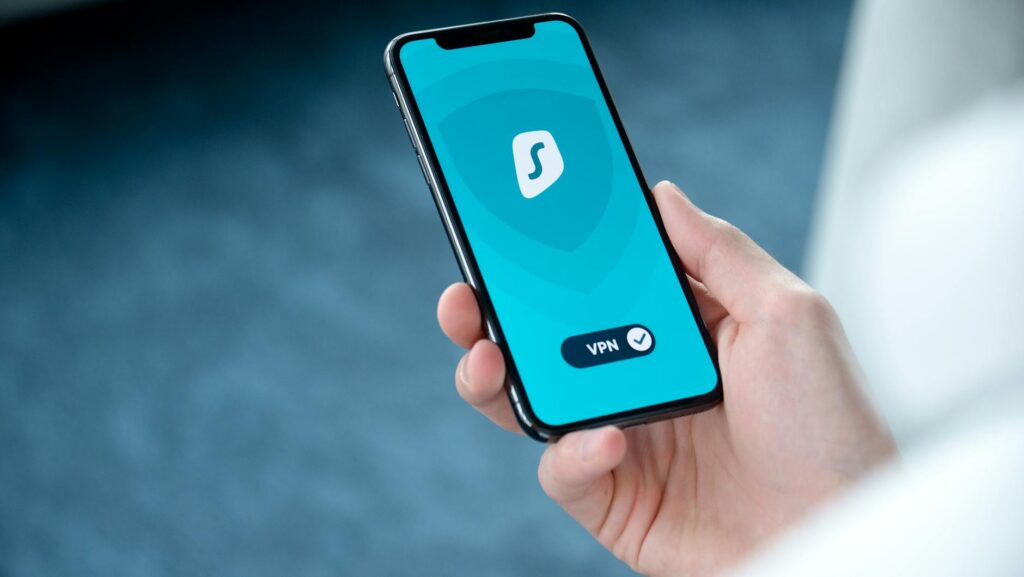
- Be Wary of Public Wi-Fi: That free Wi-Fi at the coffee shop or train station? It’s a playground for data thieves. Avoid accessing sensitive accounts (banking, email, work systems) on public networks. If you must, use a reputable Virtual Private Network (VPN). Services like NordVPN, ExpressVPN, and Surfshark are popular choices, offering solid encryption to shield your traffic. Experts recommend always using a VPN on untrusted networks.
- Limit App Permissions: Does that photo editing app really need access to your contacts, microphone, and location history? Probably not. Go through your smartphone apps (iOS and Android) and revoke unnecessary permissions. Regularly audit these permissions, as new app updates can sometimes re-enable them. Less access means less data to potentially be compromised.
- Think Before You Click: Phishing emails, smishing (SMS phishing), and vishing (voice phishing) scams are rampant. If an email, message, or call seems suspicious – offers too good to be true, urgent requests for personal information, unexpected attachments, or odd links – don’t click or respond. Forward suspicious emails to the National Cyber Security Centre (NCSC) if you’re in the UK, or your relevant national cybersecurity agency. Be especially vigilant about links that mimic legitimate services, as these are common tactics in sophisticated attacks.
- Manage Cookie Settings: When browsing websites, pay attention to cookie banners. Understand that ‘essential’ cookies are often necessary for site function, but ‘performance’ and ‘marketing’ cookies track your behaviour. Regularly clear your browser cookies and adjust website-specific cookie settings to limit tracking.
Honestly, most people just accept default settings — which are rarely designed with maximum privacy in mind. Take control and be proactive.
Securing Your Devices: Your Personal Fort Knox
Your phone, laptop, tablet, and even smart home devices are gateways to your data. Keeping them secure is non-negotiable. Here are the best practices for data protection you absolutely can’t skip:
- Strong, Unique Passwords & Passphrases: This is basic, but vital. Don’t reuse passwords across different accounts. Consider using passphrases (a sequence of words) which can be easier to remember but harder to crack. Use a reputable password manager like Bitwarden (which offers a generous free tier), 1Password, or Dashlane to generate and securely store complex passwords and passphrases.
- Enable Two-Factor Authentication (2FA) / Multi-Factor Authentication (MFA): Where possible, turn on 2FA or MFA. This adds an essential extra layer of security, usually requiring a code from your phone (SMS or authenticator app like Google Authenticator or Authy), a hardware security key (like a YubiKey), or biometric confirmation, besides your password. It’s a major shift against account takeovers and credential stuffing attacks.
- Keep Software Updated: Those frequent software update notifications? They often contain critical security patches that fix newly discovered vulnerabilities. Make sure your operating system (Windows, macOS, iOS, Android, Linux) and your applications are always up-to-date. Automated updates are highly recommended for most users. Attackers actively exploit known vulnerabilities in older, unpatched software.
- Encrypt Sensitive Data: For truly sensitive files on your computer or cloud storage, consider using encryption tools. Options include VeraCrypt (free and open-source), built-in features like BitLocker on Windows Pro/Enterprise or FileVault on macOS, or encrypted cloud storage services. This ensures that even if someone gains physical access to your device or unauthorised access to your cloud account, they can’t read your files without the correct decryption key.
- Secure Your Home Network: Your Wi-Fi router is the gateway to your home network. Change the default administrator password, use WPA3 encryption if available (or WPA2), and consider enabling a guest network for visitors. Regularly check for firmware updates for your router.
- Physical Security: Don’t forget physical security. Lock your devices when unattended, be mindful of shoulder surfing in public, and consider using privacy screen protectors on laptops and phones.
| Pros | Cons |
|---|---|
| Prevents unauthorised access to personal and financial information. | Can require a learning curve for setting up and managing tools like password managers or encryption. |
| Protects against identity theft, financial fraud, and corporate espionage. | May add a few extra steps to daily access, such as entering a 2FA code or unlocking a password manager. |
| Secures sensitive work documents, personal records, and intellectual property. | Some advanced security tools or hardware keys might involve a purchase cost. |
| Minimises risk from malware, ransomware, and other cyber threats. | Overly complex security measures could lead to user frustration or lockout if not managed carefully. |
| Maintains compliance with data protection regulations for businesses. | Compatibility issues can sometimes arise between different security software and operating systems. |
Navigating Online Services: Consent and Control
When you sign up for a new service, whether it’s a streaming platform, an online shop, a social media site, or a government portal, you’re handing over personal data. Understanding your rights and how to manage consent is key to best practices for data protection.
Data Minimisation: Organisations should only collect the data they absolutely need for a specific, stated purpose. You can often spot this – if a website asks for your date of birth to send you a newsletter, that’s probably excessive. Look for services that are transparent about their data collection practices.
Meaningful Consent: Consent must be freely given, specific, informed, and unambiguous. Pre-ticked boxes aren’t valid consent under GDPR. Always read privacy policies (or summaries if available) to understand what you’re agreeing to. As reported by Mondaq, age assurance requirements in 2026 are also placing new demands on businesses to verify user age — which involves careful consideration of data collection and consent mechanisms to comply with UK and EU regulations.
Your Data Rights: Under GDPR and UK data protection law, you have rights including the right to access your data, rectify inaccuracies, erase data (the ‘right to be forgotten’), restrict processing, object to processing, and data portability. Familiarise yourself with these rights and know how to exercise them by contacting organisations directly or, if necessary, the ICO.
Regularly Review Subscriptions: Many online services require an account. Review your active subscriptions and accounts periodically. Close accounts you no longer use, as they can still hold your data and may be vulnerable to breaches.
Responding to Data Breaches: What to Do When the Worst Happens
Despite best efforts, data breaches can still occur. Knowing how to respond can mitigate the damage. The ICO provides guidance for individuals, and organisations have strict reporting obligations.
If You Suspect Your Data Has Been Breached:
- Change Passwords Immediately: If you believe an account has been compromised, change the password for that account and any other accounts where you have reused the same password.
- Monitor Financial Accounts: Keep a close eye on your bank accounts, credit card statements, and any credit reports for suspicious activity.
- Be Wary of Scams: Be extra cautious of unsolicited calls, emails, or messages asking for personal information, as scammers often target individuals following a data breach.
- Report to the Organisation: If a service provider you use experiences a breach, they should notify you. If you discover a breach affecting your data, report it to the organisation involved.
- Report to the ICO (if applicable): While individuals typically report breaches to the organisation first, the ICO is the regulatory body. For significant breaches affecting many people, organisations must report to the ICO within 72 hours of becoming aware of it.
Understanding Large-Scale Data Projects: Issues surrounding large datasets, such as those held by the UK Biobank project, highlight the complexities of data protection. As The Guardian recently reported, these projects, while valuable for research, raise significant privacy concerns about how vast amounts of personal health information are stored, accessed, and protected. Ensuring solid governance and transparency is really important for public trust.
Beyond the Basics: Advanced Data Protection Strategies
For those seeking to enhance their data protection further, several advanced strategies can be employed:
- Consider a Hardware Security Key: For high-security needs, physical security keys (e.g., YubiKey) offer a more secure alternative to SMS or app-based 2FA, as they’re resistant to phishing.
- Utilise Encrypted Messaging Apps: For sensitive communications, use end-to-end encrypted messaging services like Signal or WhatsApp.
- Explore Privacy-Focused Browsers and Search Engines: Browsers like Brave or Firefox (with enhanced privacy settings) and search engines like DuckDuckGo minimise tracking.
- Understand VPN Protocols: When using a VPN, understand the different protocols (e.g., OpenVPN, WireGuard) and choose one that balances security and speed.
- Data Minimisation in Practice: Actively provide only the minimum necessary information when filling out forms online. Use disposable email addresses or virtual phone numbers for non-essential sign-ups.
- Regular Data Backups (Encrypted): Ensure you have secure, encrypted backups of your important data stored offline or on a secure cloud service. This protects against data loss from hardware failure or ransomware.
Frequently Asked Questions
what’s the difference between data protection and data privacy?
While often used interchangeably, data protection refers to the technical and organisational measures taken to secure personal data from unauthorised access, loss, or misuse. Data privacy, But — is more about the rights individuals have regarding their personal information and how it’s collected, used, and shared by organisations. Both are Key aspects of safeguarding information.
How does the UK’s Data (Use and Access) Act 2025 affect my data protection?
The Data (Use and Access) Act 2025, with its data protection provisions coming into force in February 2026, aims to facilitate secure access to and use of data for various purposes, including research and public services, while maintaining solid data protection standards. It refines how data can be lawfully accessed and processed, potentially impacting how organisations handle certain types of data. It’s important to stay informed about how specific provisions affect your data. According to Hogan Lovells, the Act seeks to strike a balance between data utility and individual rights.
Is GDPR still relevant in the UK after Brexit?
Yes, GDPR is still highly relevant. The UK implemented the GDPR into its own law as the UK GDPR. Following Brexit, the Data Protection Act 2018 was updated to incorporate the UK GDPR, meaning the core principles and rights remain largely the same. The EU GDPR still applies to organisations processing data of EU residents, and the UK GDPR applies to organisations processing data of UK residents.
what’s the ICO’s role in data protection?
The Information Commissioner’s Office (ICO) is the UK’s independent regulatory body set up to uphold information rights in the public interest, promoting openness by public bodies and data privacy for individuals. They enforce data protection laws like the UK GDPR and the Data Protection Act 2018. The ICO provides guidance, investigates complaints, and can issue fines for non-compliance.
How can I find out what data an organisation holds about me?
You have the right to make a ‘Subject Access Request’ (SAR) to any organisation that holds your personal data. You can ask them what data they hold, why they hold it — who they share it with, and how long they intend to keep it. Organisations usually have one month to respond to your request. You can find template letters for SARs on the ICO website.
Conclusion
In 2026, effective data protection is a shared responsibility. While regulatory frameworks like GDPR and the UK’s updated data laws provide a strong foundation, personal vigilance and proactive measures are essential. By understanding what data protection entails, taming your digital footprint, securing your devices, managing online service consents, and knowing how to respond to breaches, you can enhance your digital security. Staying informed about evolving laws and best practices, as highlighted by recent developments like the Data (Use and Access) Act, is key to complex world of personal data protection effectively.