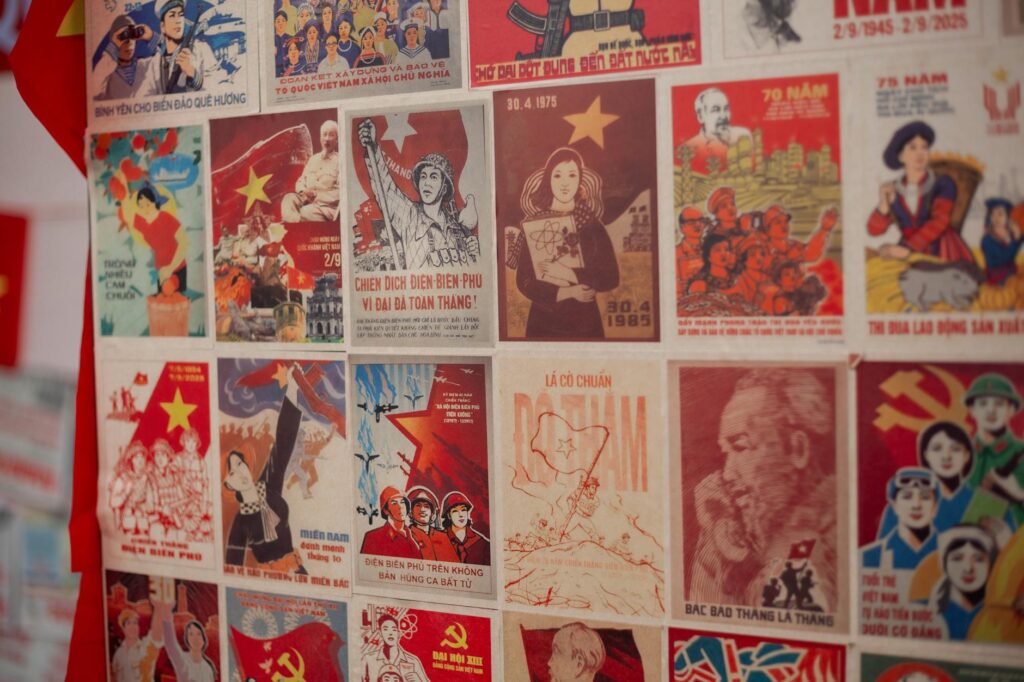
Unmasking Political Propaganda: Tactics, Impacts, and a 2026 Case Study
Unmasking Political Propaganda: Tactics and Impacts (2026 Update) is more important than ever because false narratives now spread faster, feel more personalized, and often look credible at first glance. In 2026, political messaging moves through social platforms, video clips, AI-generated images, and targeted ads, making it harder for voters to separate persuasion from manipulation.
This updated guide breaks down the most common propaganda techniques, shows how they shape public opinion, and explains how one 2026 case study exposed a coordinated influence effort. You will also find practical ways to spot message framing, media bias, disinformation, and emotional manipulation before they shape your view of an election, policy debate, or public crisis.
What is political propaganda in 2026
Political propaganda is messaging designed to shape beliefs, emotions, and behavior in favor of a cause, candidate, policy, or government. It often mixes facts with selective framing, repetition, and emotional pressure. The goal is not always to lie outright. More often, propaganda distorts context, omits key details, or turns complex issues into simple us-versus-them stories.
In 2026, the problem is bigger because content is distributed across more channels. People encounter campaign ads, influencer posts, forwarded clips, fake screenshots, coordinated comment campaigns, and machine-written narratives. The same message can appear in slightly different forms across platforms, which makes it feel organic. That is why media literacy, source evaluation, and fact checking matter more than ever.
Political propaganda also overlaps with misinformation and disinformation. Misinformation is false content shared without intent to deceive. Disinformation is false content spread on purpose. Propaganda can include both, but its core purpose is influence. It is built to guide emotion first and judgment second.
2026 case study: a foreign influence narrative exposed
A useful 2026 case study comes from the growing scrutiny of foreign influence operations aimed at shaping public debate in the United States and other democracies. Reporting in 2026 described congressional attention on foreign influence in American nonprofits, while other coverage highlighted efforts to identify networks tied to Beijing and other state actors. The pattern was consistent: use trusted organizations, layered messaging, and repeatable talking points to move public sentiment without looking overtly political.
In this case study, investigators and journalists observed a familiar sequence. First, an issue was framed as a humanitarian or civic concern. Then aligned groups repeated the same claims across social media, op-eds, and event programming. Finally, selected facts were amplified while contrary evidence was minimized. The objective was not to win a single argument. It was to normalize a worldview and weaken trust in institutions that might challenge it.
Stat: The Pew Research Center has reported for years that trust in national institutions remains divided along partisan lines, which makes audiences more vulnerable to persuasive political messaging.
One lesson from this 2026 example is that propaganda rarely works alone. It performs best when paired with confirmation bias, identity signaling, and audience segmentation. If a message confirms what people already fear or believe, they are less likely to question it. That is why influence campaigns often target communities already under stress or already skeptical of authority.
Common propaganda tactics to watch for
Propaganda tactics are effective because they exploit normal mental shortcuts. People do not have time to analyze every claim in detail, so they rely on cues such as tone, repetition, and authority. The following tactics appear often in campaign messaging, partisan media, activist content, and coordinated influence operations.
- Name calling: attacking an opponent with negative labels instead of evidence.
- Glittering generalities: using vague but positive terms such as freedom, justice, or security without specifics.
- Transfer: borrowing credibility from a respected symbol, person, or institution.
- Testimonial: using endorsements from celebrities, leaders, or influencers to build trust.
- Plain folks: presenting a speaker as ordinary and relatable to reduce suspicion.
- Bandwagon: implying that everyone already agrees, so dissent feels risky.
- Card stacking: selecting only supportive facts while hiding conflicting data.
- Fear mongering: using threats or worst case scenarios to push quick agreement.
These tactics are not limited to one side of the political spectrum. They can appear in campaign ads, grassroots posts, advocacy emails, and news commentary. The key is to look for patterns. When a message uses intense emotion, oversimplified claims, and repeated slogans, it deserves closer inspection.
Another common sign is false balance. A message may present a weak claim as if it were equally supported by evidence. That technique can create confusion and make the audience believe that truth is impossible to know. In reality, many issues can be evaluated by checking original sources, data, and expert consensus.
How propaganda affects public opinion and institutions
Propaganda has long term effects because it changes how people interpret events. Once a narrative takes hold, every new fact gets filtered through it. This can polarize communities, weaken trust in journalism, and make compromise look like betrayal. Over time, the public may stop trusting elections, courts, public health agencies, or the press.
The impact is not only political. Propaganda can also deepen social division, increase fear, and encourage hostility toward outgroups. In extreme cases, it can justify discrimination, censorship, or violence. A repeated message that frames a group as dangerous or immoral can make harsh policies feel acceptable.
Researchers and watchdog groups have also warned that AI generated content increases the scale of the problem. Synthetic images, voice cloning, and automated posting can make false narratives appear authentic. When people cannot tell whether a post, video, or quote is real, they may stop trusting legitimate evidence altogether. That erosion of trust is one of propaganda’s most damaging effects.
Political propaganda also shapes election outcomes by influencing turnout, suppressing opposition, and directing attention away from substantive issues. If voters spend all their energy reacting to scandals, fear, or outrage, they have less time to evaluate policy. That weakens democratic choice and rewards whoever can dominate the attention cycle.
How to detect and counter propaganda in 2026
Detecting propaganda starts with slowing down. Fast sharing is one of the easiest ways false narratives spread. Before reacting, ask what the post wants you to feel. Does it try to make you angry, afraid, proud, or ashamed? Emotion is not proof, but propaganda often uses emotion as a shortcut around evidence.
Use a simple verification routine:
- Check the original source, not only reposts or screenshots.
- Compare at least three reputable outlets.
- Look for dates, context, and full quotations.
- Search for primary documents, data, or official transcripts.
- Identify who funded the message or platform.
It also helps to notice repetition. When the same language appears across several accounts or articles, it may indicate coordinated messaging. The wording may vary slightly, but the frame remains the same. That is a sign to investigate further.
Media literacy training is one of the strongest defenses. Students, voters, and professionals benefit from learning how framing, agenda setting, and confirmation bias work. Critical thinking is not about assuming every claim is false. It is about asking better questions before accepting a claim as true.
Practical habits also matter. Bookmark fact checking sites, follow reputable journalists, and slow down when a headline feels designed to trigger outrage. If a post offers certainty without evidence, or if it turns a complicated issue into a moral emergency, it may be trying to manipulate rather than inform.
For additional background on propaganda and information warfare, the Encyclopaedia Britannica overview is a useful starting point: https://www.britannica.com/topic/propaganda.
Frequently asked questions
What is the primary goal of political propaganda?
The primary goal is to shape opinion and behavior. It aims to persuade people to support a cause, reject an opponent, or accept a policy by using emotion, repetition, and selective facts.
How is propaganda different from advertising?
Advertising promotes products or services. Propaganda promotes political or ideological goals. Both may use persuasion, but propaganda is usually more focused on belief, identity, and power.
Can propaganda be true?
Yes. Propaganda can include true statements, but it often presents them in a misleading way. The issue is usually not just accuracy. It is the framing, timing, and omission of context.
What are the biggest propaganda tactics online?
The biggest online tactics include name calling, fear mongering, bandwagon appeals, card stacking, and fake authority signals. AI generated content has also made deception easier to scale.
How can I protect myself from propaganda?
Slow down, check the source, compare multiple outlets, and look for original evidence. Build media literacy habits and be skeptical of messages that try to trigger strong emotion without showing proof.