What is Sterling Silver? Beyond the Shine
Sterling silver is a highly prized alloy, typically composed of 92.5% pure silver and 7.5% other metals, most commonly copper. This precise composition enhances durability and workability while retaining much of silver’s natural luster, making it a cornerstone for fine jewelry and decorative arts. Understanding its nuances is key for anyone appreciating or investing in fine metalwork.
(Source: theneighbourhoodjeweller.co.uk)
Table of Contents
What Exactly Defines Sterling Silver?
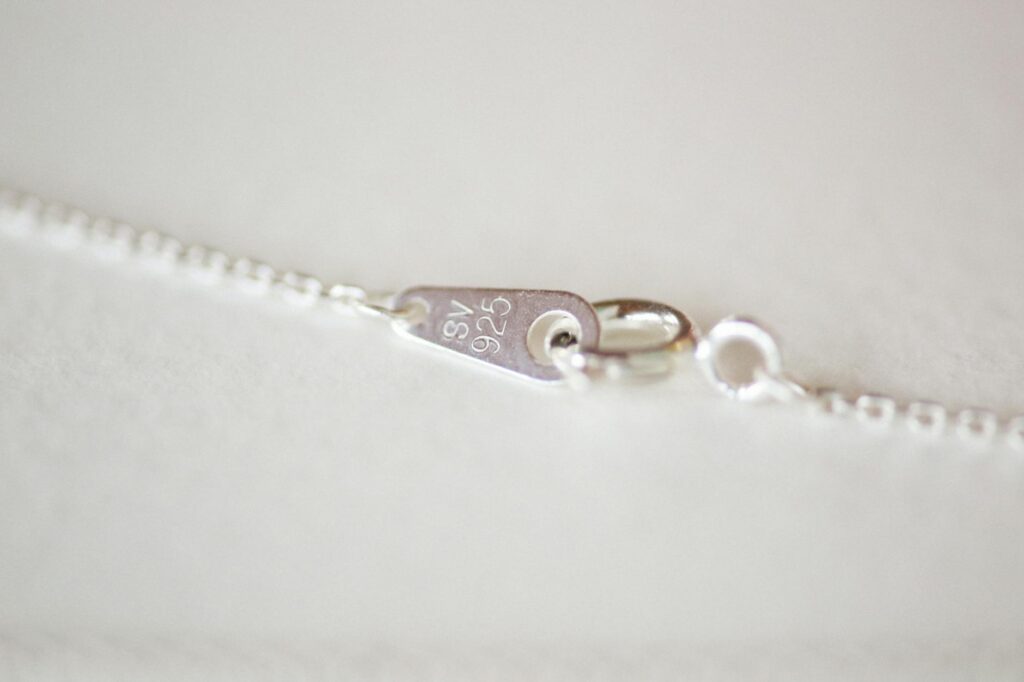
At its core, sterling silver is an alloy, meaning it’s a mixture of two or more metals. The defining characteristic of sterling silver is its purity: 92.5% of its mass is pure silver (Ag), and the remaining 7.5% consists of other metals. This standard is internationally recognized and often denoted by the “925” stamp, indicating 925 parts per thousand of silver. Pure silver, while beautiful, is exceptionally soft and easily damaged, making it impractical for most wearable items or functional objects that experience regular use. The addition of copper or other base metals provides the necessary strength and resilience without significantly compromising silver’s inherent properties.
Why Is Sterling Silver the Preferred Alloy?
The deliberate alloy of 92.5% silver offers a critical balance. Pure silver, or fine silver, registers at 99.9% purity (999). While exceptionally lustrous, it’s so malleable that it can be bent or scratched with minimal force. Sterling silver, with its 7.5% of alloying metals (typically copper), achieves a hardness that makes it suitable for intricate designs, everyday wear, and durable tableware. This alloy is also more resistant to significant deformation than fine silver. The copper addition can slightly alter the color, giving it a whiter, brighter appearance than some other silver alloys, which is highly desirable in jewelry and decorative arts.
Furthermore, the 7.5% of other metals can influence the alloy’s properties. While copper is the most common, some manufacturers might use small amounts of zinc, nickel (though less common now due to allergy concerns), or germanium. These variations can subtly affect the metal’s resistance to tarnishing or its casting properties. However, the 92.5% silver standard remains the universal benchmark for what constitutes sterling silver.
How Can You Identify Genuine Sterling Silver?
Identifying genuine sterling silver involves a multi-faceted approach, combining visual cues, physical tests, and official markings. The most immediate indicator is the hallmark. Look for stamps such as “925,” “Sterling,” “Ster,” or “Stg.” These marks are usually found on the underside of jewelry, the base of hollowware, or the back of decorative items. The presence of a hallmark is a strong sign, but it’s not the sole determinant, as counterfeit marks exist.
A common, though not foolproof, test is the magnet test. Sterling silver is not magnetic. If an item is strongly attracted to a magnet, it’s likely not sterling silver or is plated over a magnetic base. However, some non-magnetic metals can also be used for counterfeiting, so this test should be combined with others.
For a more definitive assessment, especially for valuable items, professional testing is recommended. This can involve using an acid test kit, which involves scratching a small, inconspicuous area and applying a chemical reagent. The color change indicates the silver’s purity. Alternatively, an X-ray fluorescence (XRF) analyzer provides a non-destructive way to determine the exact elemental composition of the metal. In my experience over several years of evaluating antique silver, an XRF analysis is the most accurate method for verifying composition without damaging the piece.
The History and Hallmarks of Sterling Silver
The sterling silver standard has a long and storied history, dating back to the 12th century in England. The “sterling” designation likely originated from the “Easterlings,” merchants from Northern Germany who traded silver in England. By 1300, King Edward I of England mandated that all silver articles be made of sterling quality, and the practice of assaying (testing) and marking pieces with official hallmarks was established to guarantee purity and prevent fraud. These early hallmarks typically included a leopard’s head (for London assay office), a lion passant (indicating sterling quality), and a date letter.
Over centuries, different countries and regions developed their own unique hallmark systems. For example, France used a Minerva head, while the United States adopted a system that evolved to include the purity mark (like “925”) and the maker’s mark. The United States also has a history of specific marks for different types of silver, such as “Coin Silver” (90% pure) used before the widespread adoption of the sterling standard.
The sterling silver standard of 92.5% pure silver has been a benchmark for quality and authenticity for centuries, ensuring consumer trust and the enduring value of silver artifacts and jewelry. (Source: Goldsmiths’ Company, London)
Understanding these historical hallmarks can provide valuable insights into an item’s origin, age, and authenticity. Many collectors specialize in identifying and dating silver based on these intricate markings, turning the hallmarks themselves into a form of art and historical record. For instance, the Gorham Manufacturing Company, a prominent American silversmith, used a complex system of hallmarks that are highly sought after by collectors.
Sterling Silver vs. Other Silver Alloys and Metals
Sterling silver is often compared to other silver alloys and precious metals. The most common alloy is fine silver (99.9% Ag), which is softer and more prone to damage, typically used in bullion or specific types of detailed casting. Another alloy is Mexican silver, which often has a similar 925 purity but may contain slightly different trace elements or be marketed with regional flair.
When contrasting sterling silver with other precious metals, the differences in hardness, color, price, and durability become apparent. Gold, for instance, is much softer than sterling silver in its pure form (24k), but gold alloys are typically harder and more durable than sterling silver. Platinum is significantly harder and denser than silver, and consequently, much more expensive. Base metals like pewter or nickel silver (which contains no actual silver) are much cheaper and less valuable, though they can sometimes be used for costume jewelry or decorative items.
| Metal | Purity (Typical) | Hardness (Mohs Scale Est.) | Relative Cost | Common Uses |
|---|---|---|---|---|
| Fine Silver | 99.9% Ag | 2.5-3 | High | Bullion, some intricate casting, photography |
| Sterling Silver | 92.5% Ag, 7.5% Other | 3-4 | Medium | Jewelry, tableware, decorative items |
| Gold (14k) | 58.3% Au, 41.7% Other | 3-3.5 | Very High | Jewelry, watches, electronics |
| Platinum | 95% Pt | 4-4.5 | Very High | Jewelry, catalytic converters, lab equipment |
| Nickel Silver | 0% Ag, Copper/Nickel/Zinc | 3-4 | Low | Costume jewelry, flatware, decorative hardware |
Caring for Your Sterling Silver Investment
Sterling silver is susceptible to tarnishing, a chemical reaction with sulfur compounds in the air that causes a dark, dull film to form on the surface. However, with proper care, its shine can be preserved for generations. The first line of defense is storage. Keep sterling silver pieces in airtight containers or soft pouches, preferably in a cool, dry place. Anti-tarnish strips or bags can also be effective in absorbing sulfur compounds.
When cleaning is necessary, use a specialized silver polishing cloth. These cloths are impregnated with a mild cleaning agent that removes tarnish without being overly abrasive. For more stubborn tarnish, a silver polish cream or liquid can be used, but always follow the product instructions carefully. Gently rub the polish onto the silver with a soft cloth, then buff with a clean, dry cloth. Avoid harsh scrubbing, which can remove the patina or even the silver itself over time.
For sterling silver jewelry with gemstones or intricate details, a gentler approach is best. Sometimes, a mild soap and water solution, followed by thorough drying with a soft cloth, is sufficient. Never use abrasive cleaners, toothpaste, or paper towels, as these can scratch the surface. Regular wear can actually help keep sterling silver polished, as the friction from movement can remove light tarnish. However, prolonged exposure to chemicals (like perfumes, hairspray, or chlorine) and humidity should be avoided.
Frequently Asked Questions
What is the difference between silver and sterling silver?
Silver, often referred to as fine silver, is typically 99.9% pure. Sterling silver is an alloy that is 92.5% pure silver mixed with 7.5% other metals, usually copper, to increase its durability and strength for practical use.
Is sterling silver valuable?
Yes, sterling silver holds significant value due to its substantial silver content. Its value fluctuates with the market price of silver and is also influenced by craftsmanship, design, brand, and historical significance, especially for antique pieces.
How do I know if my jewelry is real sterling silver?
Look for hallmarks stamped on the piece, such as “925,” “Sterling,” or “Stg.” While these marks are good indicators, it’s also wise to consider the item’s weight, magnetic properties (real sterling silver is not magnetic), and potentially seek professional appraisal for verification.
Will sterling silver tarnish?
Yes, sterling silver will tarnish over time due to a chemical reaction with sulfur compounds in the air. This tarnishing appears as a dark or dull film on the surface, but it can be cleaned and restored with proper polishing techniques.
Is sterling silver good for everyday wear?
Sterling silver is generally considered good for everyday wear, especially for jewelry. The alloy’s composition makes it durable enough for regular use, though it can still be scratched or dented by significant impacts. Proper care will maintain its appearance.
Conclusion: Appreciating Sterling Silver’s Enduring Appeal
Sterling silver is far more than just a shiny metal; it’s a testament to metallurgical ingenuity, balancing beauty with practicality. Its 92.5% silver purity, combined with alloying elements, creates a material that has graced human adornment and functional objects for centuries. From intricate jewelry designs to elegant tableware, sterling silver offers a timeless appeal and enduring value. By understanding its composition, identifying its hallmarks, and employing proper care, you can fully appreciate and preserve the investment and artistry embodied in sterling silver. To further explore the world of fine metals, consider researching the craftsmanship behind artisanal jewelry makers.