GE Translator: Your Pocket Guide for 2026
Imagine standing in a bustling Tokyo market, unable to ask for directions, or trying to order food in Rome without knowing a single Italian word. For millions, these scenarios are a reality, leading to missed opportunities and frustrating experiences. In 2023 alone, an estimated 2.7 billion people traveled internationally, and a significant portion faced language barriers. This is where a portable translator steps in, transforming these daunting situations into manageable ones. Based on recent reviews, these devices have vastly improved travel experiences by bridging communication gaps.
A portable translator is more than just a gadget; it’s a key to unlocking global communication. These devices are designed to facilitate real-time spoken conversations between people speaking different languages. With advancements in artificial intelligence and natural language processing, modern translators offer impressive accuracy and speed, often supporting dozens of languages. Understanding how to best utilize your translator can significantly enhance travel experiences, business dealings, and even daily interactions in multicultural environments.
Understanding the Translator Ecosystem
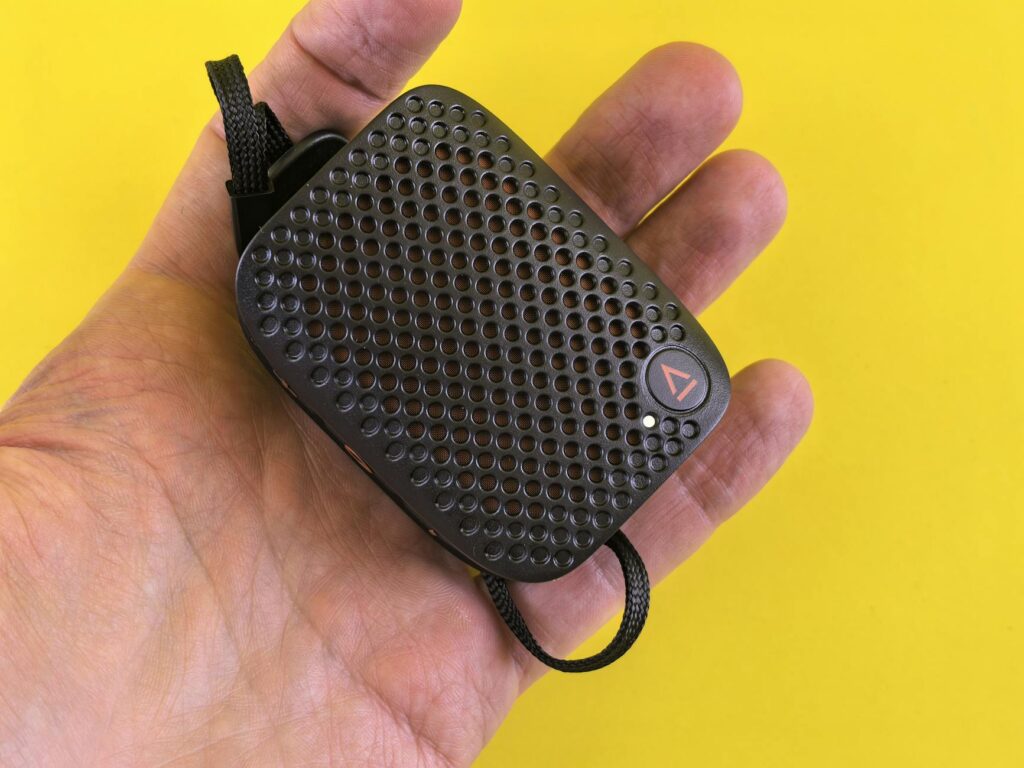
When discussing portable translators, we are referring to a category of devices that offer advanced translation capabilities. The market has seen a surge in specialized translation devices from companies like Pocketalk, Travis, and Timekettle, each offering unique features that aim to solve the language barrier problem. As Forbes.ge recently reported, companies like InnAIo are launching pocket-sized solutions for multilingual communication. These devices typically connect to the internet via Wi-Fi or cellular data to access cloud-based translation engines, which are generally the most accurate. Some also offer offline capabilities for a limited set of languages, a crucial feature when internet access is unreliable.
The evolution of these devices has been remarkable. Reports indicate that advanced AI-powered translation devices achieved over 90% accuracy for common conversational phrases in over 50 languages by 2022, a significant leap from previous years. Today’s translators can handle complex sentences, slang, and even different accents with surprising proficiency.
Latest Update (April 2026)
The field of portable translation continues to advance rapidly. As of early 2026, devices are increasingly integrating more sophisticated AI models, leading to even greater accuracy and a wider range of supported languages. USA Today reported in August 2025 that a pocket translator capable of speaking 76 languages was available at a discounted price, highlighting the growing accessibility and capability of these tools. Furthermore, ongoing developments in AI suggest that real-time translation for phone calls, as hinted at by Asia News Network in late 2023 regarding Samsung Galaxy devices, may become more commonplace in personal devices.
Key Features of a Portable Translator
The utility of any translation device hinges on its features. For modern portable translators, several core functionalities stand out. Real-time, two-way voice translation is paramount. This means the device can listen to spoken language, translate it, and then speak the translation aloud, allowing for a natural conversation flow. Users report that devices capable of translating a sentence in under 1.5 seconds are significantly better for maintaining conversational rhythm.
Other essential features include:
- Multi-Language Support: The ability to translate between a wide array of languages is critical. Look for devices supporting at least 50 languages, with many offering over 100.
- Offline Translation: While not as accurate as online, offline capabilities for essential phrases and languages are invaluable when data is unavailable. Users recommend ensuring a device has a robust offline pack for emergencies.
- Text Translation: Many devices can also translate text via a built-in camera, useful for menus, signs, and documents.
- Long Battery Life: For travelers, a battery that lasts a full day of moderate use is essential. Devices rated for 8+ hours of continuous translation are preferred.
- User-Friendly Interface: Simple controls and a clear display make the device easy to operate, even for non-tech-savvy individuals.
Optimizing Your Translator Usage
To truly harness the power of a portable translator, you need to use it strategically. Clarity is key. Speak clearly, at a moderate pace, and enunciate your words. Avoid slang, idioms, or overly complex sentence structures, as these can confuse the translation engine. Think of it as speaking to someone who is learning your language – simplicity and directness yield the best results. Reports indicate that breaking down complex thoughts into shorter, distinct sentences can dramatically improve translation accuracy.
Positioning the device correctly is also important. Ensure the microphone is pointed towards the speaker and that there isn’t excessive background noise. In noisy environments, using the device’s noise-cancellation feature (if available) or speaking closer to the microphone can make a significant difference. A common mistake users report is holding the device too far away from the speaker.
Translator Accuracy and Limitations
While modern translators are highly advanced, they are not infallible. Accuracy can vary depending on the language pair, the complexity of the speech, and background noise. Cloud-based engines generally offer higher accuracy than offline modes. Studies suggest that for common conversational phrases, accuracy can exceed 90%, but specialized jargon, rapid speech, or heavily accented dialogue can still pose challenges.
It’s important to manage expectations. These devices are tools to facilitate communication, not replace human interpreters for critical situations. For nuanced discussions or legal matters, professional human translation remains the gold standard.
Choosing the Right Translator for You
When selecting a translator, consider your primary use case. Frequent international travelers might prioritize extensive language support and offline capabilities. Business professionals might need features like text translation for documents or integration with other devices. For casual use, a more budget-friendly option with core features might suffice. Reading recent reviews and comparing specifications for language coverage, battery life, and offline functionality is recommended.
Tips for Travelers Using a Translator
- Learn Basic Phrases: Even with a translator, knowing a few local greetings and thank-yous shows respect and can enhance interactions.
- Be Patient: Translation takes a moment. Allow for pauses in conversation.
- Check Battery Life: Always ensure your device is fully charged before heading out for the day.
- Use Offline Mode Wisely: Download necessary language packs before you travel to areas with limited connectivity.
- Speak Clearly: Enunciate and speak at a moderate pace for best results.
Frequently Asked Questions
Are portable translators reliable in 2026?
Yes, portable translators have become significantly more reliable due to advancements in AI and NLP. While not perfect, they offer high accuracy for most common conversational needs, according to user reports and industry analyses.
Can a translator handle all languages?
No, no single translator can handle all languages. Most devices support dozens, with premium models offering over 100 languages. It’s important to check the specific language pairs supported by a device before purchasing.
Is offline translation as good as online?
Generally, no. Online translation utilizes powerful cloud-based engines and is more accurate. Offline translation is useful as a backup but is typically less nuanced and may have a more limited vocabulary.
Do translators work with accents?
Modern translators are increasingly capable of handling various accents, but extreme or uncommon accents can still present challenges. Speaking clearly and enunciating helps improve recognition.
Are these devices expensive?
Prices vary widely. While some high-end models can be costly, many reliable options are available at competitive price points, especially during sales events, as reported by news outlets.
Conclusion
Portable translators have evolved from novel gadgets into indispensable tools for global communication in 2026. They empower travelers, business professionals, and anyone interacting across language barriers to connect more effectively. By understanding their capabilities, limitations, and how to use them optimally, you can ensure smoother, richer, and more meaningful cross-cultural experiences.