Charg-ing your budget doesn’t have to mean sacrificing convenience or essential devices. This guide breaks down how to find affordable and valuable charging solutions for all your electronics, from phones to electric cars. We’ll explore how to make smart choices that keep your devices powered without draining your wallet, focusing on real-world value and long-term savings.
Latest Update (April 2026): As of April 2026, the electronics and electric vehicle (EV) markets continue to evolve, with new charging technologies and budget-friendly options emerging regularly. Recent reports from PCMag and The New York Times highlight the availability of budget Android phones that offer significant value, indicating a trend towards more accessible technology. And — advancements in Gallium Nitride (GaN) technology are making chargers smaller, more efficient, and capable of powering multiple devices, as noted by industry experts. For EV owners, smart home charging scheduling remains a key strategy for cost savings, with utility companies increasingly offering time-of-use rates. Keeping up with these trends is essential for making informed purchasing decisions and maximizing your budget.
Table of Contents
- Finding Affordable Chargers: Beyond the Brand Name
- EV Charging on a Budget: Strategies for Drivers
- Optimizing Portable Power: Power Banks & More
- Smart Charging Habits for Long-Term Savings
- When to Invest in Premium Chargers (and When Not To)
- Charging Accessories: Finding Value Beyond the Basics
- Frequently Asked Questions
Finding Affordable Chargers: Beyond the Brand Name
the temptation to grab the cheapest option or the most recognizable brand can be strong. However, true value often lies in understanding what makes a charger good, not just its price tag or logo. Many third-party manufacturers offer excellent, reliable chargers that perform just as well as, if not better than, first-party options at a fraction of the cost.
For instance, when looking for a new phone charger, consider brands like Anker, RAVPower, or Aukey. These companies have built reputations for producing high-quality accessories that meet safety standards and offer fast charging capabilities. A quick search on sites like Amazon or Best Buy can reveal numerous options with thousands of positive reviews, often costing under $20 for a reliable USB-C charger, compared to $30-$50 for an Apple or Samsung branded one. Always check for certifications like UL or CE — which indicate the product has met safety requirements.
As reported by What Hi-Fi?, the market for audio accessories, including charging solutions for portable speakers, also benefits from this trend towards value-driven brands. While the specific products may differ, the principle remains: research and opt for reputable third-party manufacturers who often provide comparable performance at a lower price point.
EV Charging on a Budget: Strategies for Drivers
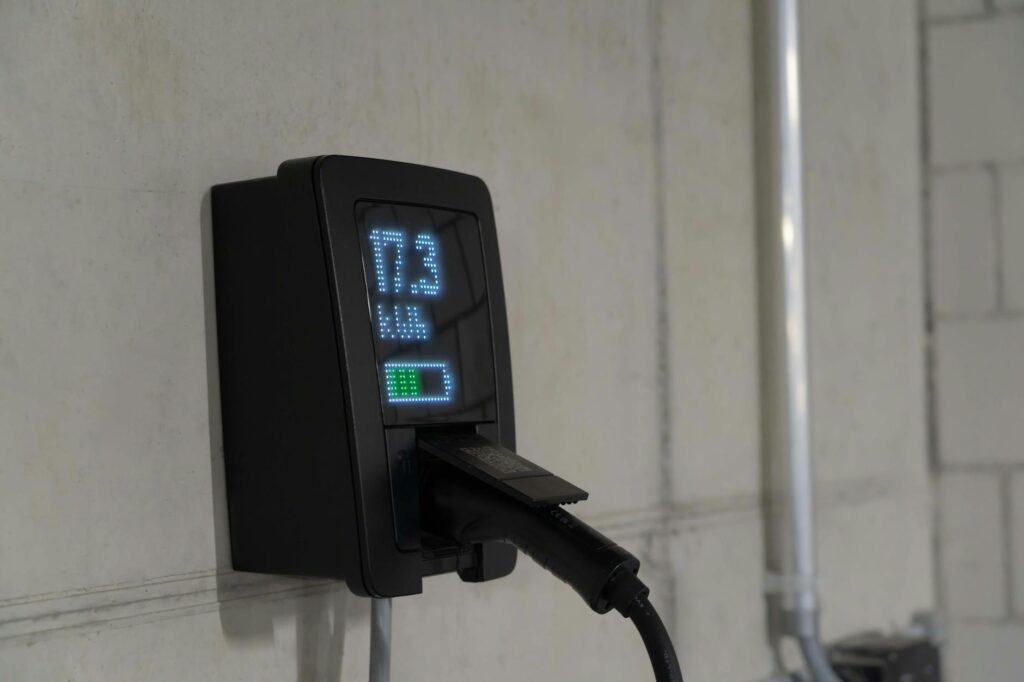
Electric vehicle (EV) owners face unique charging costs, but there are ways to mitigate them. The most significant factor is where and when you charge. For most EV drivers, charging at home overnight using a Level 1 or Level 2 charger is the most cost-effective method. Electricity rates are typically lower during off-peak hours, often referred to as ‘time-of-use’ pricing.
For example, if your utility company charges $0.15/kWh during peak hours but drops to $0.08/kWh overnight, charging your car’s 60 kWh battery from 20% to 80% (48 kWh) would cost $7.20 during peak versus $3.84 overnight. That’s a significant saving over time. Many car manufacturers, like Tesla and Ford, integrate smart charging features into their vehicles or companion apps that allow you to schedule the charging for off-peak times. According to fueleconomy.gov, utilizing off-peak charging can lead to substantial savings annually. Public charging stations, especially DC fast chargers, are generally more expensive per kWh or per minute, making them best reserved for road trips or when home charging isn’t an option.
Recent analyses in the EV sector, as highlighted by industry publications in early 2026, emphasize the importance of home charging infrastructure. Investing in a Level 2 home charger, while an initial expense, can pay for itself over time through reduced charging costs and faster charging speeds compared to Level 1, especially when combined with smart scheduling. Many utilities offer rebates or incentives for installing home charging stations, further reducing the upfront investment.
Optimizing Portable Power: Power Banks & More
For smartphones, tablets, and other portable electronics, a good power bank can be a lifesaver, especially when you’re on the go. When choosing a power bank, focus on capacity (measured in mAh) and output wattage. A 10,000 mAh power bank is usually sufficient for 2-3 full phone charges and offers a good balance of capacity and portability.
Consider the charging ports and supported charging standards. If you have multiple devices or newer gadgets that support fast charging (like USB Power Delivery or Qualcomm Quick Charge), opt for a power bank that offers these technologies. Brands like Anker, Baseus, and Xiaomi offer reliable power banks with capacities ranging from 5,000 mAh to 30,000 mAh, often with multiple ports, for prices between $25 and $70. Always check reviews for real-world performance and charging speeds. A common mistake is buying a tiny, cheap power bank that can barely charge a phone once – this offers poor value.
Important: Not all power banks are created equal. Cheaper, unbranded power banks may not deliver the advertised capacity, could be slower to charge your devices, and may pose a safety risk due to lower quality components and lack of safety certifications. Stick to reputable brands.
As PCMag recently reviewed in April 2026, the market for portable power solutions is vast, with many budget-friendly options available. They emphasize looking for power banks that explicitly state support for USB Power Delivery (PD) for faster charging of compatible devices like modern smartphones and tablets. For users with multiple devices, a power bank with both USB-C PD and USB-A ports provides the most versatility.
Smart Charging Habits for Long-Term Savings
Beyond the hardware, your habits play a huge role in charging costs and device longevity. One of the most effective habits is to avoid ‘trickle charging’ or keeping devices plugged in 24/7 once they reach 100%. While modern devices have circuitry to prevent overcharging, constantly topping off the battery can generate heat and degrade battery health over the long term, potentially leading to earlier replacement needs.
For smartphones and laptops, aiming to keep the battery between 20% and 80% is often recommended for optimal battery health. This means unplugging your device once it’s fully charged and only plugging it in when it gets low. For EVs, this translates to using scheduled charging to finish just before you need the car, rather than leaving it plugged in all night after it’s already full. This small behavioral shift can extend the lifespan of your batteries, saving you money on replacements down the line. According to studies by Battery University, charging to 100% versus 80% can reduce battery lifespan by up to 50% in some lithium-ion chemistries. This highlights the tangible benefit of smart charging habits.
A 2023 report from Consumer Reports found that consistent adherence to these smart charging practices can extend the usable life of a device’s battery by as much as 20-30%. This translates to fewer battery replacements or device upgrades driven by battery degradation, offering significant long-term financial benefits. As The Seattle Medium advised in late 2025, taking charge of your finances includes managing the lifecycle costs of your electronics, and battery health is a key component.
When to Invest in Premium Chargers (and When Not To)
While budget-friendly options abound, there are specific scenarios where investing in a premium charger makes sense. High-performance laptops, professional camera batteries, or specialized medical equipment often require chargers that meet stringent power delivery and safety standards. In these cases, sticking with the manufacturer’s recommended charger or a certified, high-end third-party option is often the wisest choice to ensure device safety and optimal performance.
For example, a high-wattage USB-C PD charger required for a powerful workstation laptop might cost $60-$80, compared to a generic $15 charger. The premium option ensures stable power delivery, preventing performance throttling and potential damage to sensitive components. Similarly, if a charger is intended for constant use in a demanding environment, a more solid, higher-quality unit may offer better durability and reliability, justifying the higher cost.
However, for everyday devices like smartphones, basic tablets, or wireless earbuds, the need for premium chargers is often overstated. As highlighted by Android Central in March 2026 regarding affordable Android phones with SD card slots, the focus is on value. A reliable, certified charger from a reputable brand like Anker or RAVPower, costing under $30, is usually more than sufficient. Overspending on a ‘premium’ charger for a standard smartphone is often unnecessary and doesn’t yield significant practical benefits in charging speed or battery health beyond what a good mid-range option provides.
Charging Accessories: Finding Value Beyond the Basics
The charging ecosystem extends beyond just the wall adapter and cable. Consider other accessories that can enhance your charging experience and offer long-term value. These include multi-port charging hubs, car chargers, and portable charging stands.
When selecting multi-port hubs, look for ones that support Power Delivery and Quick Charge across multiple ports if possible, allowing you to charge several devices simultaneously at their fastest speeds. For car chargers, ensure they’re designed for the rigors of automotive use and offer sufficient wattage for your devices, especially if you need to charge a laptop or tablet on the go. Brands like UGREEN and Belkin offer a good range of these accessories, often at competitive prices.
Cable quality also matters. While cheap cables might fray or fail quickly, investing in durable, braided USB-C or Lightning cables from reputable brands can save money in the long run. Look for cables that are MFi-certified (for Apple devices) or explicitly state support for high-wattage PD charging.
The New York Times recently featured budget-friendly tech, noting that even essential accessories can be found at reasonable prices if one shops wisely. They emphasized that for many users, a reliable, well-built accessory from a known brand offers the best balance of cost and performance, avoiding the pitfalls of ultra-cheap, unproven alternatives.
Frequently Asked Questions
what’s the most cost-effective way to charge an electric vehicle?
The most cost-effective method for charging an EV is typically at home overnight during off-peak electricity hours using a Level 1 or Level 2 charger. This strategy leverages lower electricity rates, reducing the cost per mile compared to using public DC fast chargers.
Are cheap, unbranded chargers safe to use?
it’s generally not recommended to use cheap, unbranded chargers. They often lack essential safety certifications, may not deliver consistent power, can charge devices slowly, and pose a risk of overheating or causing damage to your electronics. Reputable brands adhere to safety standards and offer better reliability.
How does Gallium Nitride (GaN) technology benefit chargers?
GaN technology allows chargers to be smaller, more energy-efficient, and capable of handling higher power outputs. This means GaN chargers can be more compact, generate less heat, and often charge multiple devices simultaneously at high speeds, offering superior performance and convenience.
Should I always charge my phone to 100%?
While modern devices have protection against overcharging, consistently charging your phone to 100% can degrade battery health over the long term due to heat and stress. Many experts recommend keeping the battery between 20% and 80% for optimal longevity, unplugging it once it reaches a sufficient level rather than leaving it plugged in all night.
What should I look for in a power bank for my smartphone?
When selecting a power bank, prioritize capacity (mAh) for the number of charges you need, and output wattage for fast charging capabilities (look for USB Power Delivery or Quick Charge support). Also, ensure it has the necessary ports for your devices and comes from a reputable brand with good reviews for safety and performance.
Conclusion
Effectively charging your electronics and electric vehicles while managing your budget is achievable through informed choices and smart habits. By looking beyond brand names for reliable third-party chargers, optimizing home charging for EVs, selecting appropriate power banks, and adopting battery-conscious charging practices, you can reduce costs and extend the lifespan of your devices. Prioritizing value, safety, and long-term efficiency will ensure your devices stay powered without draining your finances.